Wood Fence Staining Near Me – Complete Local Guide for Lasting Protection
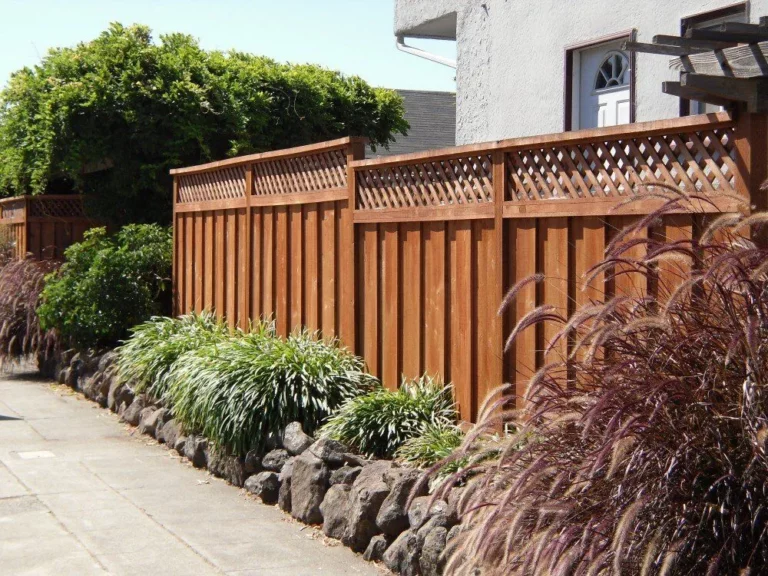
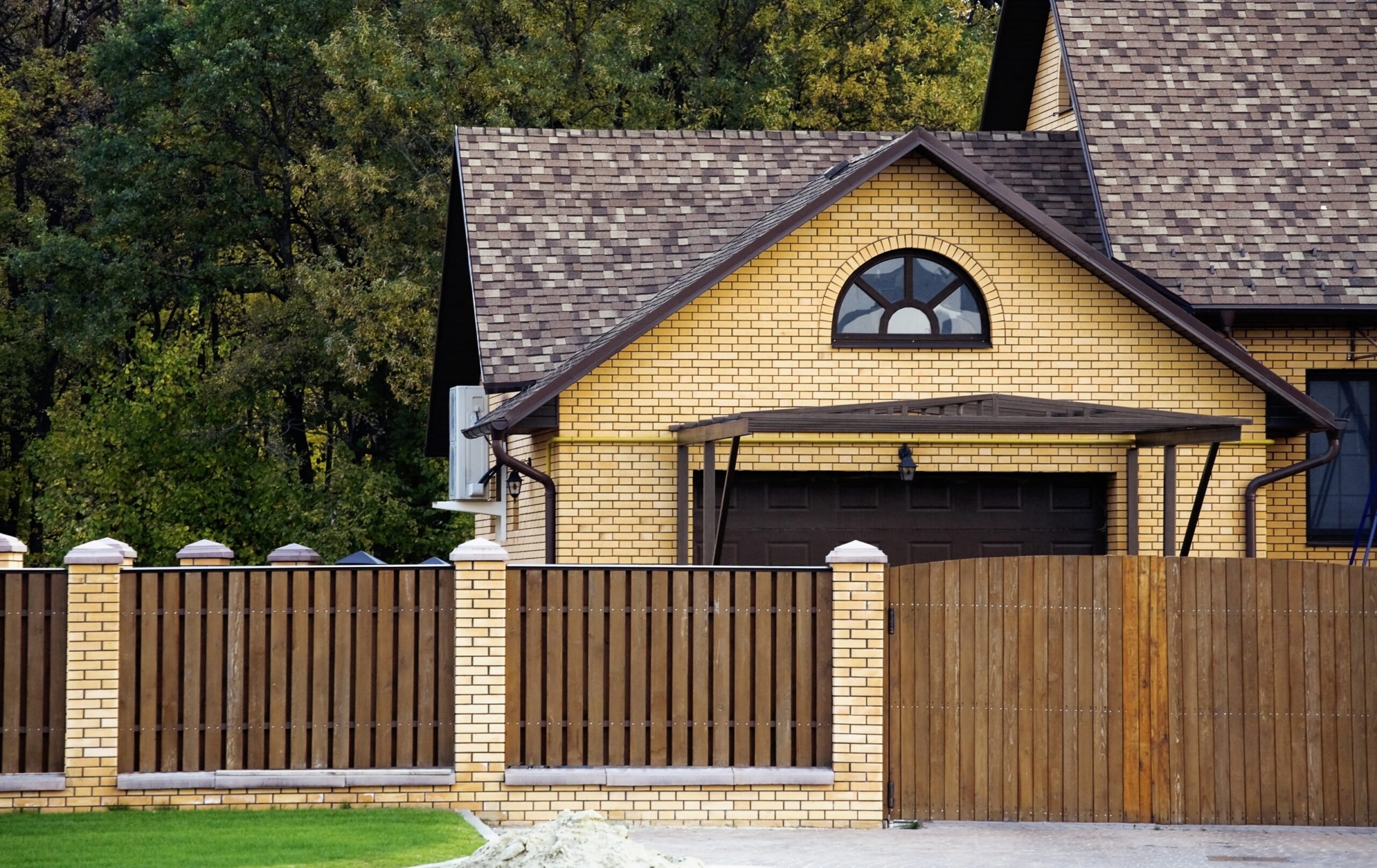
Searching for wood fence staining near me is more than just finding a local service; it’s about ensuring your fence gets the best care for both protection and aesthetics. A quality stain job enhances the fence’s natural beauty, extends its lifespan, and shields it from the harsh effects of weather.
Local staining professionals understand your region’s climate, which is critical when choosing the right stain formula. The wrong choice can lead to premature fading, peeling, or even wood damage. That’s why location-specific expertise is an essential factor in delivering a long-lasting and attractive result.
Why Local Expertise Matters in Fence Staining
Wood behaves differently depending on its exposure to humidity, sunlight, and temperature swings. A staining product that works well in a dry climate may not perform as effectively in a coastal or humid environment.
By hiring local professionals, you benefit from their knowledge of which products and techniques work best in your area. They can recommend whether to use oil-based or water-based stains, suggest ideal color tones that complement your surroundings, and apply treatments that resist local environmental stressors.
Benefits of Wood Fence Staining
Weather Resistance All Year Round
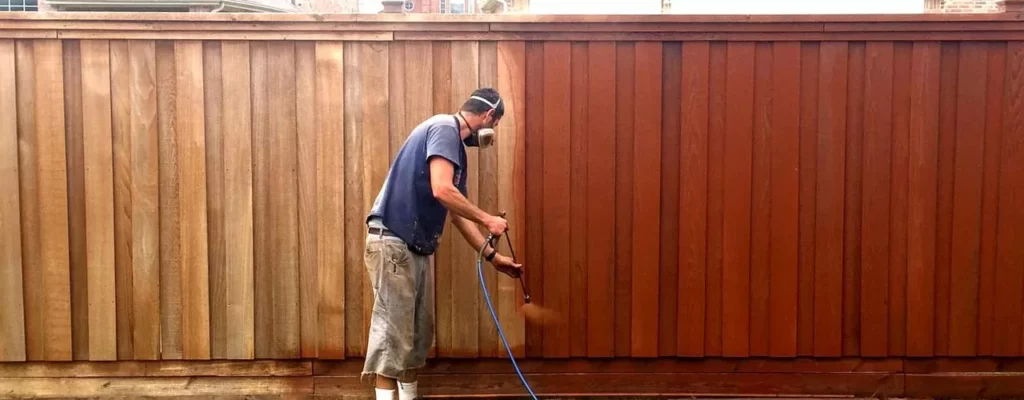
Staining creates a protective barrier that shields wood from rain, snow, UV rays, and temperature fluctuations. This helps prevent rot, mold, and fading, common problems in unprotected wood fences.
When done properly, staining reduces maintenance frequency, saving time and money in the long run. It’s a one-time effort that pays off for years.
Enhancing Aesthetic Appeal
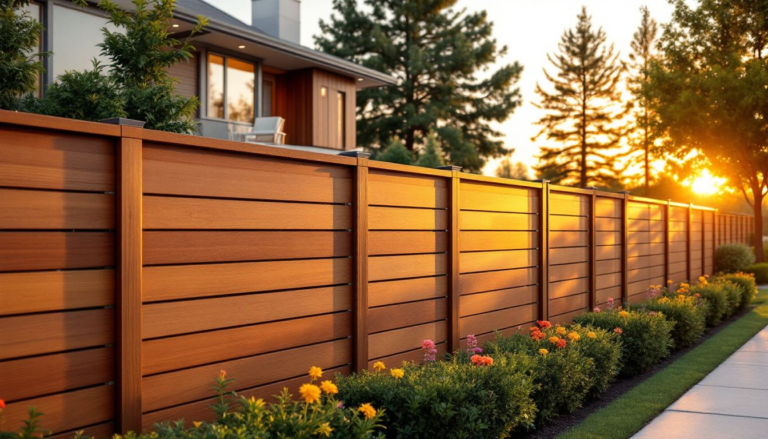
A stained fence not only lasts longer but also looks better. The right color can highlight your property’s landscaping, match your home’s exterior, or even make your yard feel warmer and more inviting. Stains can enhance the natural grain of the wood, giving it a rich, polished appearance.
Real-World Examples of Wood Fence Staining
Example 1: Residential Privacy Fence in Suburban Area
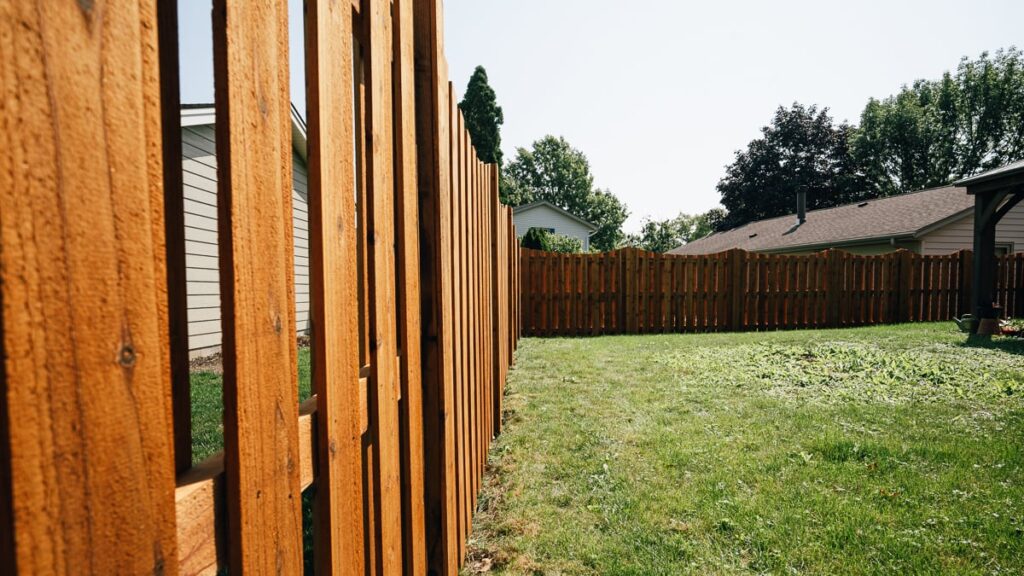
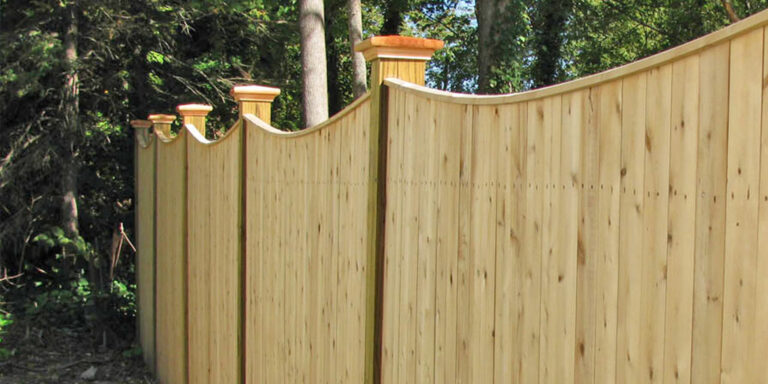
A homeowner with a tall cedar privacy fence faced fading due to constant sun exposure. Local staining experts recommended a UV-blocking, semi-transparent stain to protect the wood while preserving its natural grain.
Within a few days, the fence regained its warm, golden tone and now requires minimal touch-up maintenance, even after several harsh summers.
Example 2: Rural Property Boundary Fence
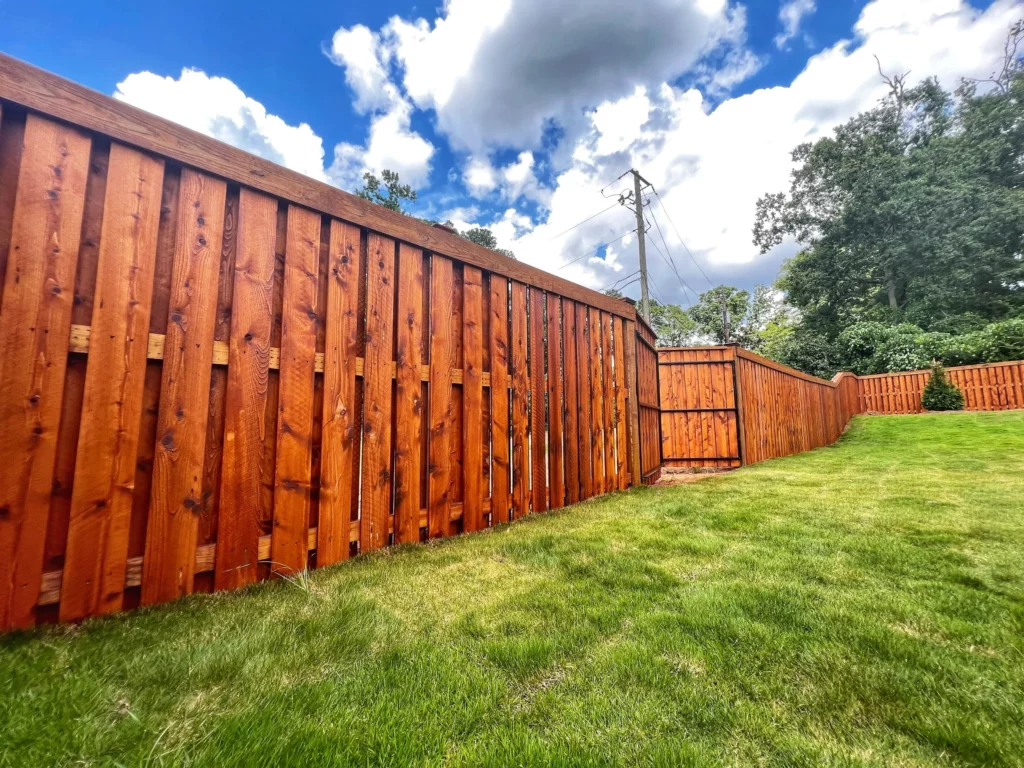
A ranch owner with an extensive wooden boundary fence needed a solution that could withstand heavy rain and mud splashes. Local professionals applied an oil-based penetrating stain that deeply absorbed into the wood, creating long-lasting water resistance.
This approach prevented warping and cracking, even in areas prone to flooding, ensuring the fence remained sturdy for years.
Example 3: Coastal Vacation Home Fence
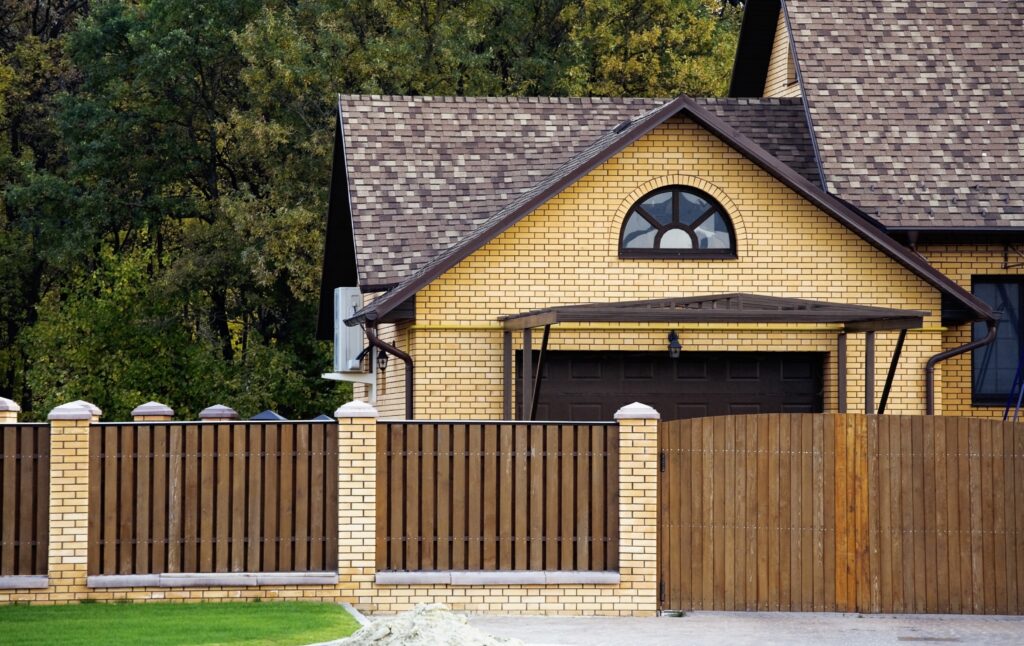
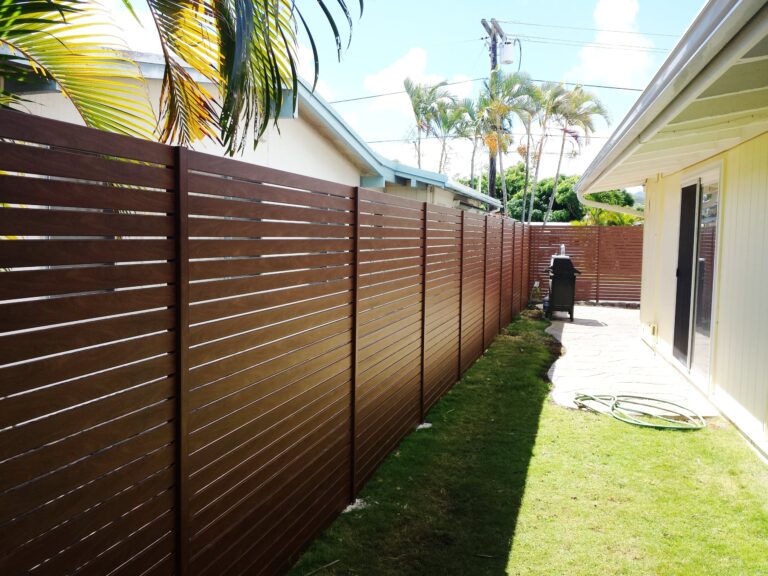
In coastal environments, salt air and humidity can accelerate wood deterioration. A property owner hired local specialists who used a water-repellent stain designed for marine exposure.
The result was a fence that maintained its color and integrity despite constant exposure to salty breezes and seasonal storms.
Practical Use Cases and Advantages
Longevity in Harsh Climates
If your area experiences extreme weather changes, staining is an essential maintenance step. It ensures your fence remains structurally sound through cycles of expansion and contraction.
Reducing Repair Costs
Untreated wood can quickly lead to costly repairs or full replacements. Staining acts as a preventive investment, minimizing damage before it becomes severe.
Boosting Property Value
A well-maintained fence adds curb appeal, which can be a selling point if you plan to put your property on the market. It signals to potential buyers that the property is cared for, inside and out.
Why “Near Me” Searches Work for Fence Staining Services
When you search “wood fence staining near me,” you’re tapping into location-based service results. This helps you find professionals who are not only physically close but also familiar with the environmental factors affecting your fence.
These local services often provide quicker turnaround times, personalized consultations, and follow-up support if any touch-ups are needed. They can also offer seasonal promotions tailored to your area’s maintenance needs.
FAQs
1. How often should a wood fence be stained?
Most fences benefit from staining every 2–3 years, but this depends on your local climate and the type of stain used.
2. Can I stain my fence myself instead of hiring a pro?
Yes, DIY staining is possible, but professionals have the tools and expertise to ensure even application and optimal protection, especially for large areas.
3. Does staining work on all types of wood fences?
Most wood species can be stained, including cedar, pine, and redwood. However, the preparation and stain type may vary depending on the wood’s characteristics.