Residential Repaint Refresh Your Home’s Look & Value
A residential repaint is more than just a fresh coat of paint; it’s a strategic investment in your home’s value, protection, and overall aesthetic appeal. Whether you’re preparing your property for sale, updating its style, or simply refreshing worn-out surfaces, a professional repaint can completely transform the way your home looks and feels.
In this article, we’ll explore everything you need to know about residential repainting, including its benefits, best practices, real-world examples, and practical use cases.
Understanding Residential Repaint
A residential repaint refers to the process of repainting a home’s interior, exterior, or both, with the goal of improving its appearance, extending surface longevity, and protecting it from environmental damage. Unlike initial painting on a new build, a repaint involves refreshing existing surfaces, often requiring preparation such as cleaning, sanding, and priming.
Professionals often recommend a repaint every 5–10 years, depending on climate, paint quality, and exposure to the elements. In humid or coastal areas, repainting may be needed sooner due to moisture and salt damage.
Why Residential Repainting Matters
A fresh coat of paint can be the difference between a house that looks neglected and one that feels inviting. Beyond curb appeal, repainting plays a crucial role in protecting your property from deterioration. Paint serves as a barrier against UV rays, rain, mold, and pests. Without it, surfaces like wood, stucco, and siding can degrade much faster.
Additionally, repainting allows you to update your home’s style without the cost of major renovations. Changing from a dated color scheme to a modern palette can instantly modernize your space.
Benefits of Using Modern Painting Technology
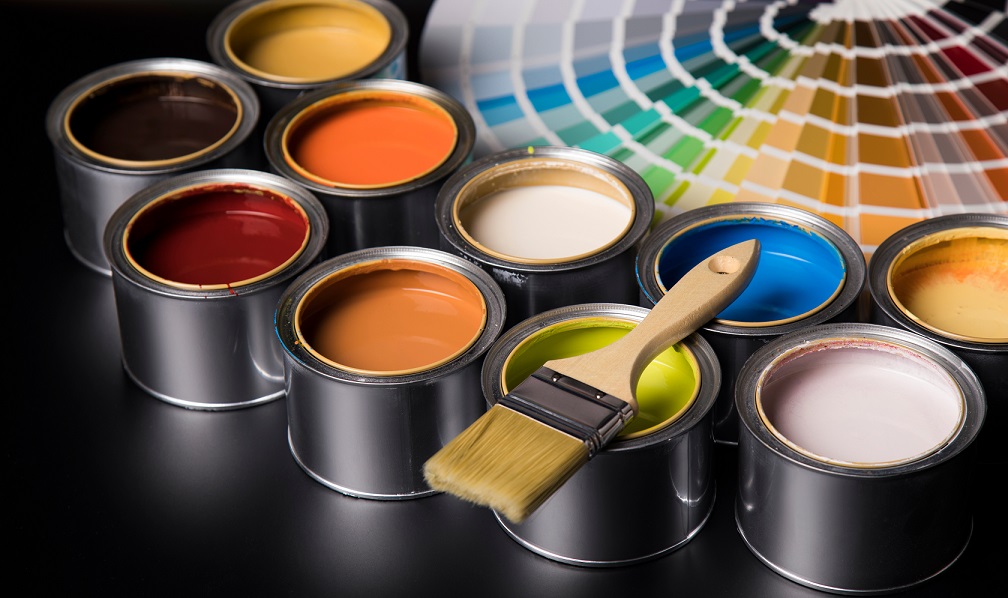
Modern repainting benefits greatly from advances in painting technology. Today’s high-quality paints are more durable, eco-friendly, and resistant to fading.
One notable innovation is low-VOC (volatile organic compounds) paint, which emits fewer chemicals, improving indoor air quality and reducing environmental impact. High-performance acrylics and elastomeric coatings also provide longer-lasting finishes, meaning you can enjoy your new look for years without frequent touch-ups.
Technology has also improved application methods. Airless sprayers, moisture meters, and infrared thermometers help painters achieve smoother finishes and ensure surfaces are properly prepared before painting.
Real-World Examples of Residential Repaint Projects
Example 1: Exterior Siding Renewal
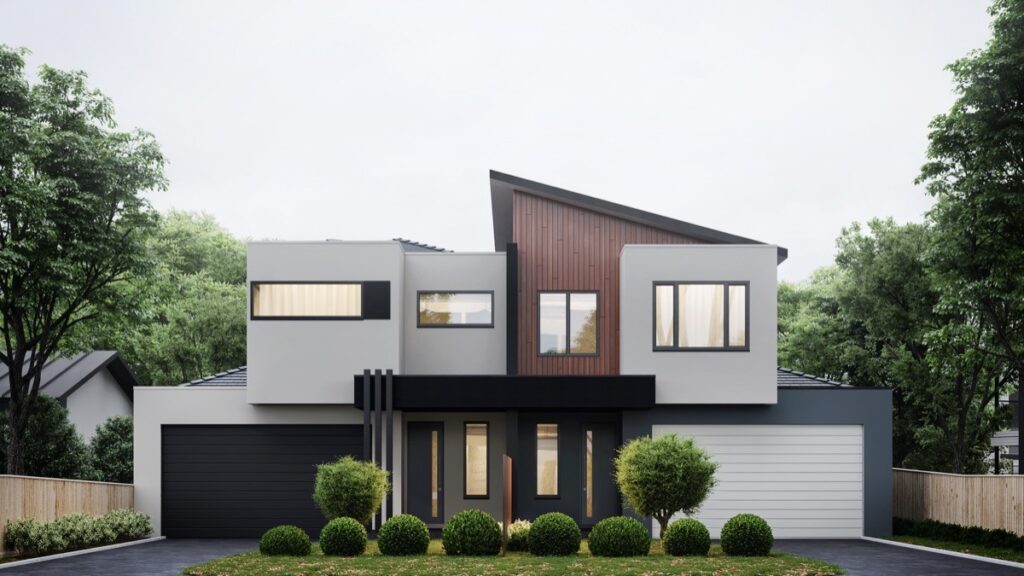
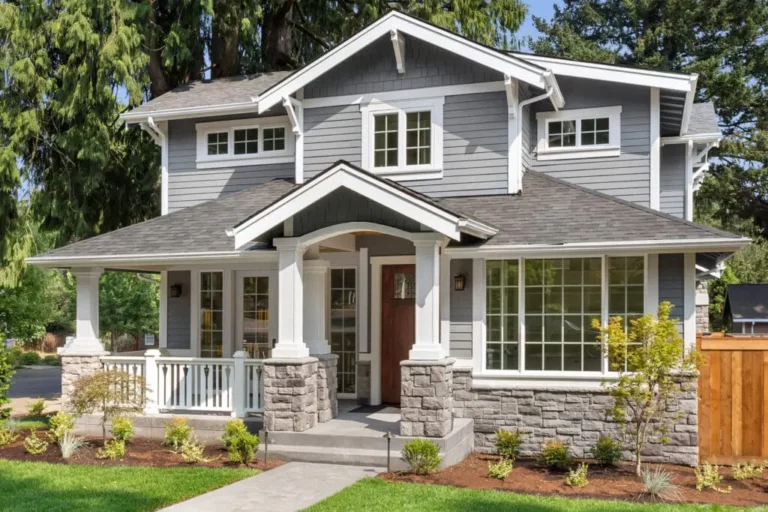
A two-story home in a coastal area underwent a full exterior repaint with elastomeric paint to resist salt air and moisture damage. The new deep navy blue color with white trim gave the property a crisp, upscale appearance while adding years of protection.
This project demonstrates how repainting can be tailored to environmental conditions. The choice of coating not only boosted curb appeal but also prevented future deterioration, saving the homeowner on repair costs.
Example 2: Interior Modernization
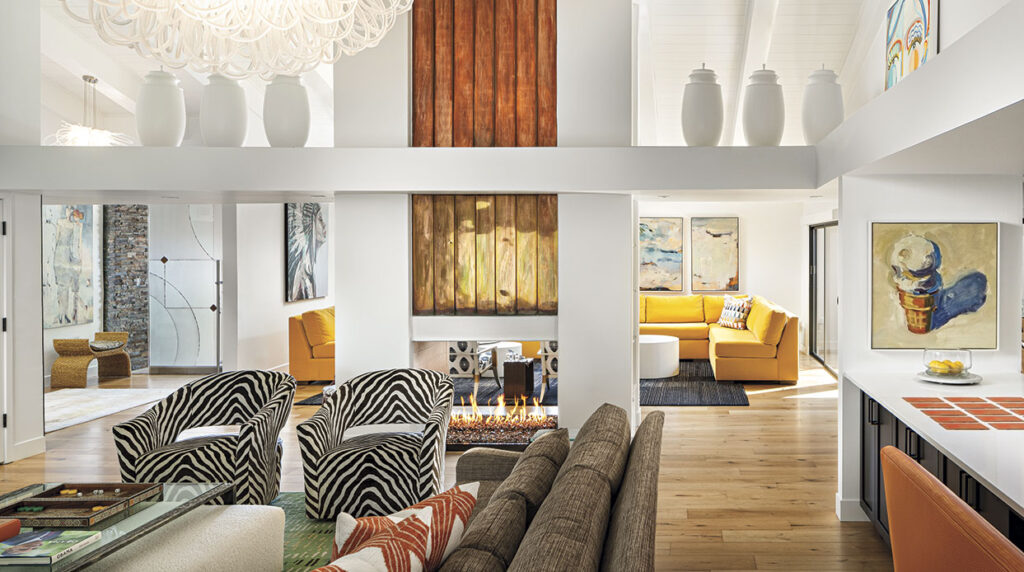
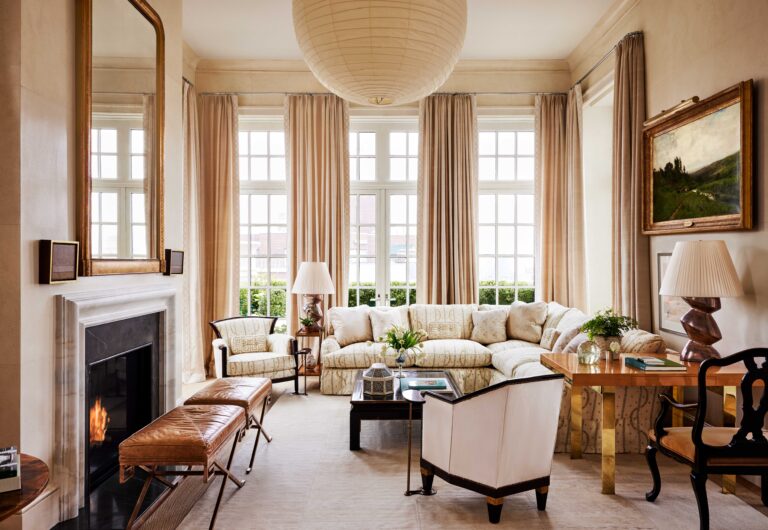
A 1980s-style home received an interior repaint to replace dark, dated colors with light neutrals. This instantly made the rooms feel larger, brighter, and more inviting.
The use of low-VOC paint ensured minimal disruption for the family living in the home during the project. This example shows how repainting can dramatically shift the mood and functionality of indoor spaces.
Example 3: Restoring a Historic Home
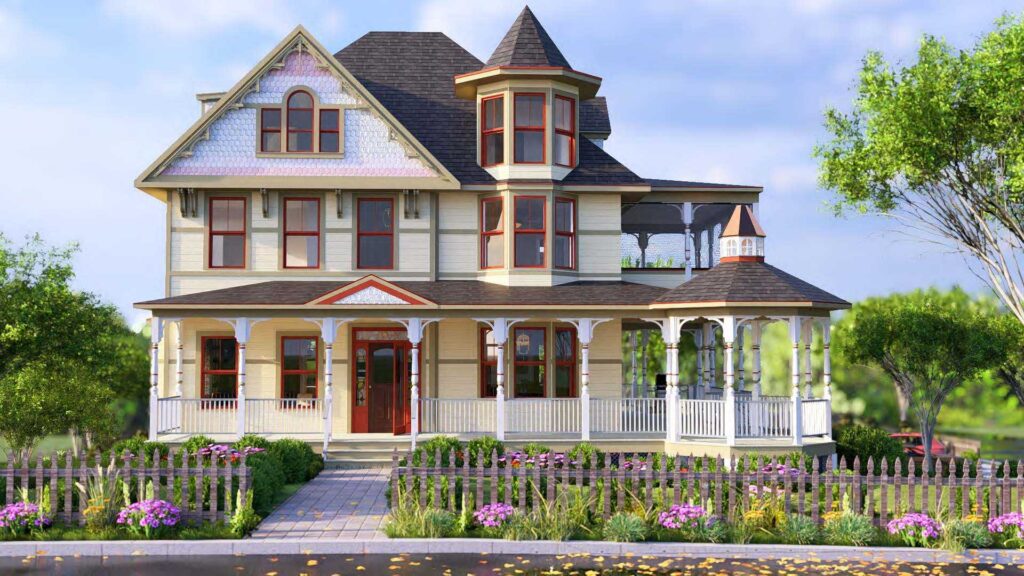
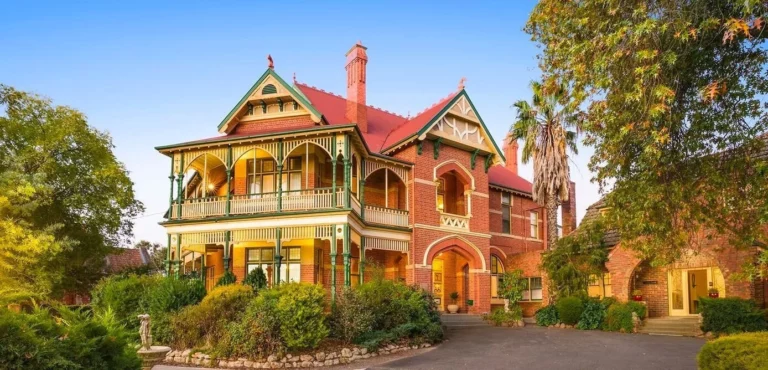
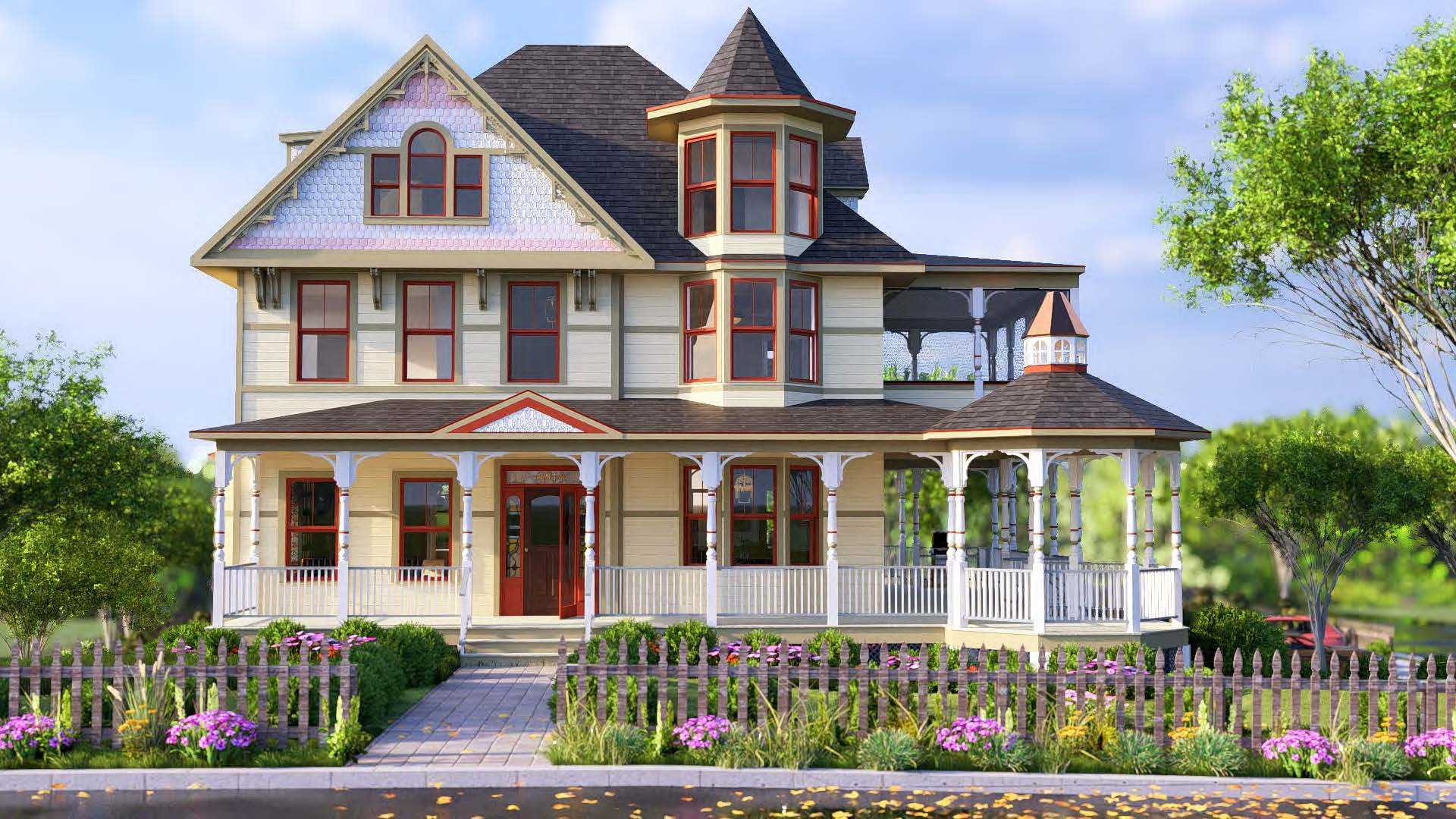
A 120-year-old Victorian house was carefully repainted in historically accurate colors. Special techniques, such as gentle surface cleaning and oil-based primers, were used to preserve original woodwork.
This project highlights how repainting can respect architectural heritage while still providing modern protection.
How Residential Repainting Solves Common Problems
-
Peeling or Fading Paint – A repaint restores protection and eliminates unsightly wear.
-
Moisture Damage – Fresh paint seals cracks and prevents water intrusion.
-
Outdated Appearance – New colors can completely refresh a home’s style.
-
Low Property Value – A professional repaint often increases market appeal and resale price.
Practical Advantages of a Residential Repaint
A repaint can be one of the most cost-effective ways to enhance your home. Compared to structural renovations, it offers:
-
Immediate Visual Impact – Even a simple color change can make a home feel brand new.
-
Long-Term Protection – Properly applied paint extends the lifespan of siding, trim, and other materials.
-
Personalization – Colors can be chosen to reflect your personality or current design trends.
Best Practices for a Successful Repaint
-
Surface Preparation – Clean, repair, and prime before applying new paint.
-
Quality Paint Selection – Invest in high-grade paints for durability.
-
Professional Application – Skilled painters ensure even coverage and long-lasting results.
-
Climate Considerations – Choose paint types suited for your region’s weather conditions.
Use Cases for Residential Repainting
-
Selling a Home – A fresh exterior can boost perceived value.
-
Seasonal Refresh – Updating colors to match seasonal trends.
-
Damage Repair – Covering stains, smoke damage, or graffiti.
-
Energy Efficiency – Light-reflective paints can keep homes cooler in warm climates.
Frequently Asked Questions
Q1: How often should I repaint my home?
Most homes need repainting every 5–10 years, but coastal or humid environments may require more frequent updates.
Q2: What’s the best paint for exterior surfaces?
Acrylic latex paints are durable, weather-resistant, and eco-friendly. Elastomeric paints are ideal for areas with heavy moisture exposure.
Q3: Can I repaint over old paint?
Yes, but proper surface preparation, such as cleaning, sanding, and pri, is essential to ensure adhesion and longevity.