Pressure Exterior Cleaning Ultimate Guide to Home Maintenance
Pressure exterior cleaning is a highly effective method for maintaining and restoring the beauty and integrity of a home’s exterior surfaces. It involves using high-pressure water, combined with specialized equipment, to remove dirt, mold, mildew, algae, stains, and debris from various surfaces, including siding, driveways, decks, patios, and roofs. For homeowners looking to enhance curb appeal and prevent long-term damage, pressure exterior cleaning is an essential maintenance service. This article delves into the details of pressure exterior cleaning, including techniques, technology benefits, real-world use cases, practical advantages, and answers to frequently asked questions.
Understanding Pressure Exterior Cleaning and Its Importance
Pressure exterior cleaning uses a power washer a machine that sprays water at high pressure to dislodge and wash away stubborn dirt and biological growth from exterior surfaces. Unlike simple hose rinsing or manual scrubbing, pressure cleaning can penetrate crevices and remove buildup that’s otherwise difficult to clean.
Over time, exterior surfaces accumulate pollutants such as dust, pollen, algae, mold, and bird droppings, which not only degrade appearance but can also damage materials. Pressure exterior cleaning protects siding, masonry, wood, and concrete from premature wear and preserves the structural integrity of the home.
Techniques for Safe and Effective Pressure Exterior Cleaning
Applying the correct techniques is critical to avoid damaging surfaces while achieving a thorough clean:
-
Appropriate Pressure Settings: Different materials require different water pressures. Soft surfaces like wood siding or vinyl need low to medium pressure, while concrete and brick can handle higher pressure.
-
Proper Nozzle Choice: Wide-angle nozzles distribute water evenly and reduce the risk of surface damage. Narrow nozzles focus the spray for tougher stains, but must be used cautiously.
-
Correct Distance from Surface: Holding the spray nozzle too close can strip paint or gouge wood. A distance of 12 to 24 inches is usually ideal.
-
Pre-Treatment with Eco-Friendly Detergents: Applying biodegradable cleaning solutions loosens stubborn stains and biological growth for easier removal.
-
Cleaning in Sections: Working in small areas and rinsing as you go prevents streaks and ensures uniform results.
These techniques ensure surfaces are cleaned effectively and safely.
Benefits of Advanced Technology in Pressure Exterior Cleaning
Modern pressure exterior cleaning benefits greatly from technological innovations, improving both performance and safety:
-
Variable Pressure Controls: Operators can adjust PSI settings to match delicate or hard surfaces, preventing damage.
-
Biodegradable Cleaning Agents: Environmentally safe detergents are designed to effectively clean while protecting landscaping and water sources.
-
Water-Efficient Machines: Newer models optimize water use without sacrificing cleaning power.
-
Lightweight and Ergonomic Equipment: Enhances maneuverability, reducing fatigue during extended cleaning sessions.
-
Integrated Safety Features: Auto shut-offs, pressure regulators, and insulated handles enhance operator safety and prevent accidental damage.
These technologies make pressure exterior cleaning more effective, eco-friendly, and accessible.
Real-World Applications of Pressure Exterior Cleaning
1. Vinyl Siding Cleaning
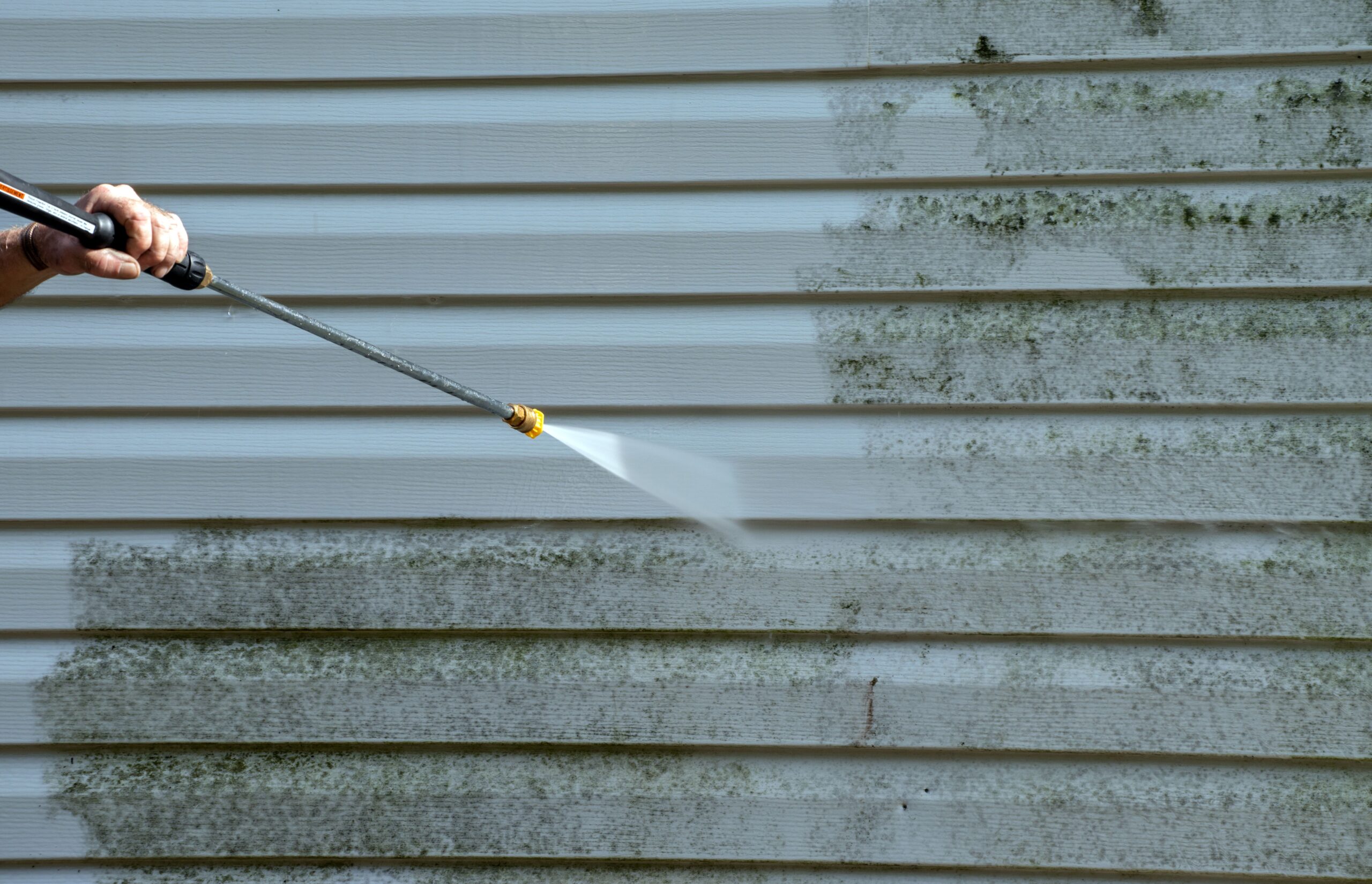
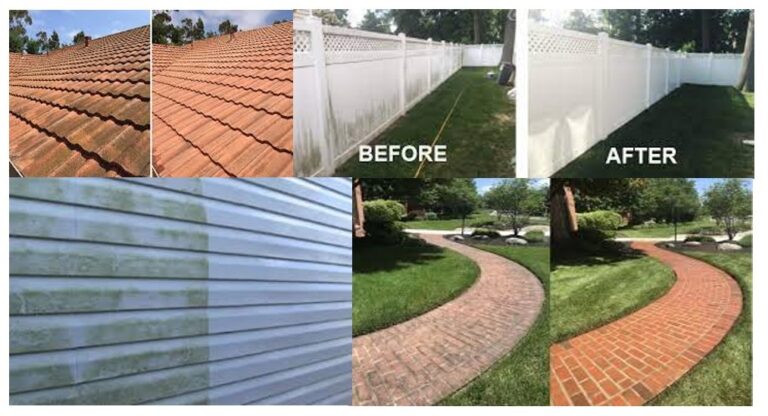
Vinyl siding is common due to its durability, but it can accumulate dirt, algae, and mildew. Pressure cleaning restores its original look, removes harmful biological growth, and prepares the surface for painting or sealing.
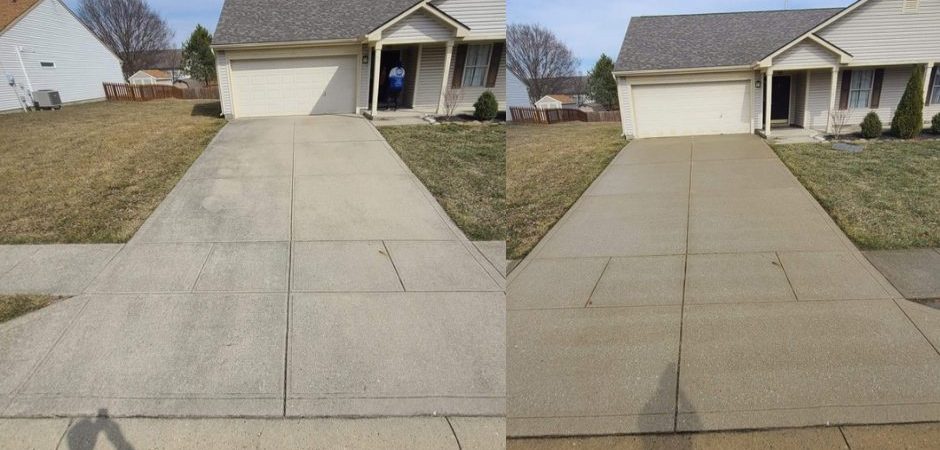
2. Concrete Driveway and Walkway Cleaning
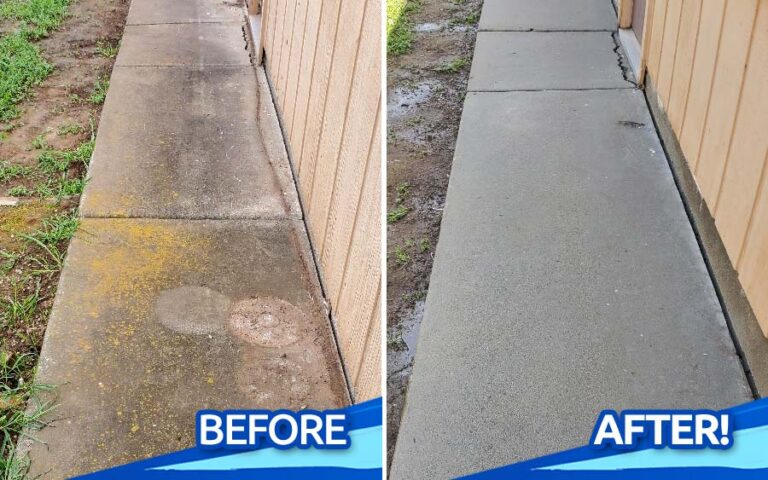
Concrete areas are prone to oil stains, moss, and grime buildup. Pressure exterior cleaning removes these contaminants, enhancing safety and curb appeal.
3. Wooden Deck and Fence Maintenance
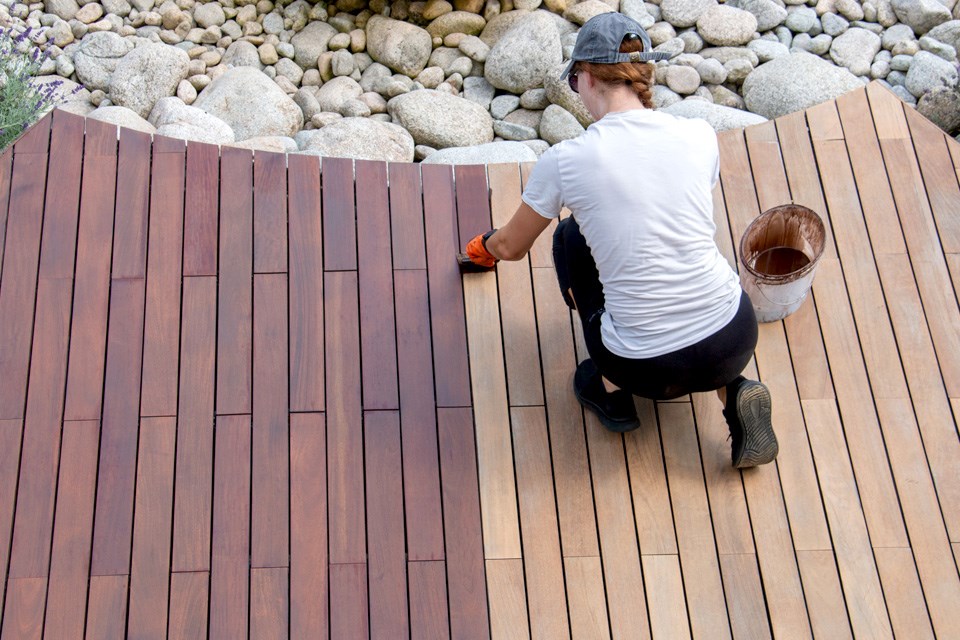
Wood surfaces attract mold and dirt that can cause rot. Pressure cleaning revives the wood’s natural beauty and prepares it for weatherproofing treatments.
4. Brick and Stone Exterior Cleaning
Brick and stone facades collect dust, moss, and mildew in cracks and mortar. Pressure cleaning deep cleans these surfaces without damaging their texture or mortar joints.
5. Roof Cleaning
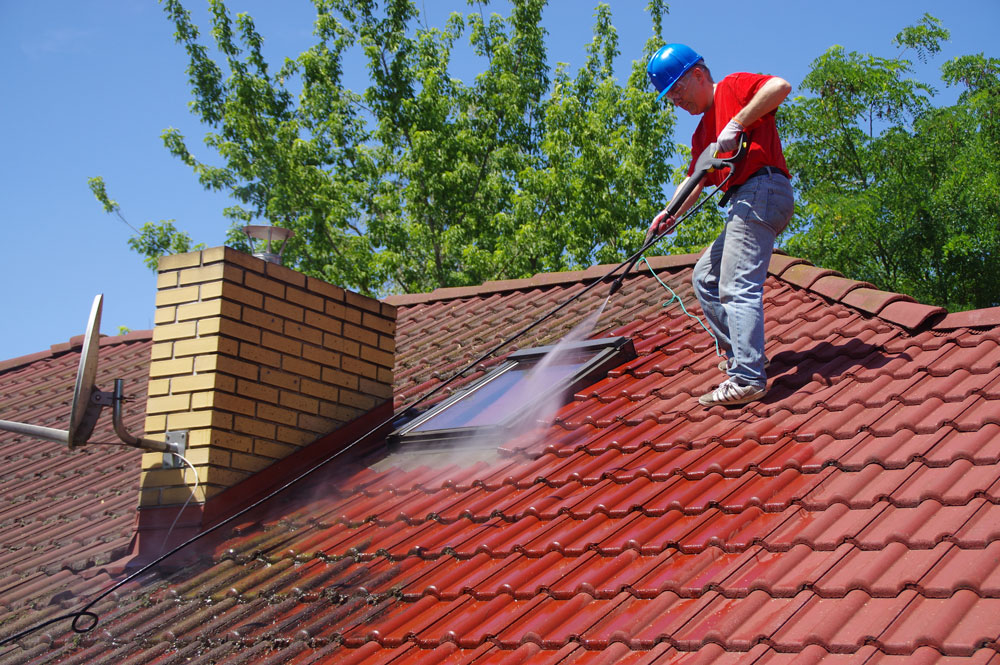
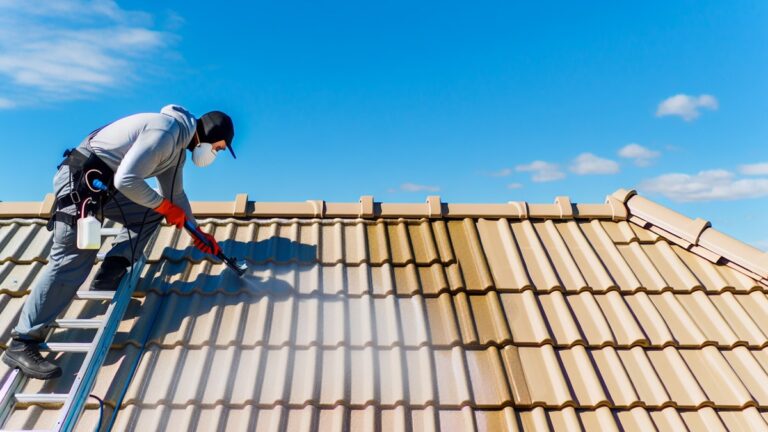
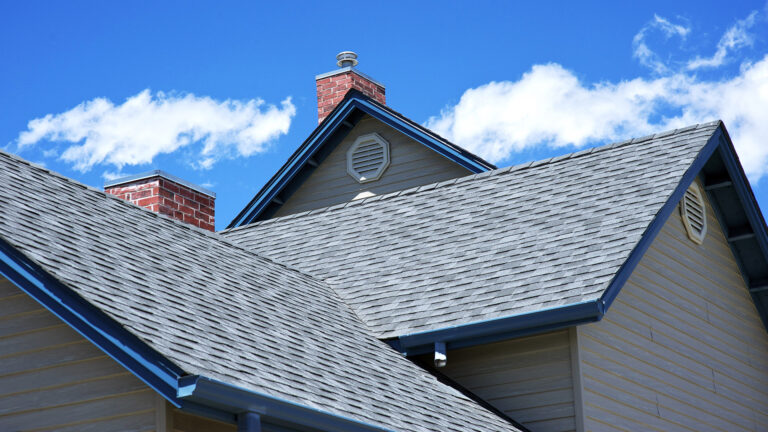
Certain roofing materials benefit from low-pressure exterior cleaning to remove moss and algae, extending roof life and improving aesthetics.
Practical Advantages of Pressure Exterior Cleaning
>Pressure exterior cleaning provides many tangible benefits to homeowners:
-
Enhances Curb Appeal: A clean exterior immediately elevates the home’s appearance and value.
-
Prevents Material Degradation: Removing mold, mildew, and dirt prevents damage that can lead to costly repairs.
-
Improves Health and Safety: Eliminates mold spores and allergens that can impact indoor air quality and occupant health.
-
Saves Time and Effort: Power washing is faster and more effective than manual cleaning.
-
Protects Investments: Routine cleaning extends the life of siding, decks, driveways, and roofs.
Use Cases: Problems Solved by Pressure Exterior Cleaning
>Pressure exterior cleaning effectively addresses several common problems:
-
Mold and Algae Growth: These organisms thrive on exterior surfaces and cause discoloration and decay.
-
Stubborn Stains: Oil, rust, pollen, and dirt that are hard to remove with traditional cleaning.
-
Surface Preparation: Cleans surfaces before painting, staining, or sealing for better adhesion.
-
Slip and Fall Hazards: Removes algae and moss from walkways and patios, reducing risk.
-
Restoration: Restores aged or weathered exterior surfaces to their original appearance.
Frequently Asked Questions About Pressure Exterior Cleaning
Q1: How often should I schedule pressure exterior cleaning?
Typically, homes benefit from pressure cleaning every 1 to 3 years, depending on local climate and surface conditions.
Q2: Can pressure cleaning damage my home?
When performed with appropriate pressure settings and techniques, pressure cleaning is safe. Incorrect use can cause damage, so professional guidance is recommended.
Q3: Are the cleaning solutions used safe for the environment?
Yes, most modern detergents used in pressure exterior cleaning are biodegradable and environmentally friendly.