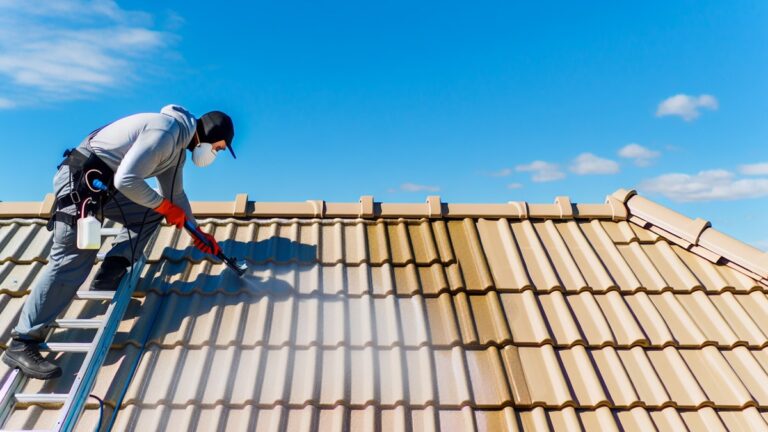
Need My House Pressure Washed Complete Guide to Home Cleaning
Maintaining the exterior cleanliness of your home is about much more than just curb appeal. It’s a crucial step to protect the building materials and extend your house’s lifespan. Many homeowners ask themselves, Do I need my house pressure-washed? Or, how do I know when it’s time to pressure wash my home? This comprehensive guide dives deep into when and why pressure washing is necessary, safe techniques to use, the benefits of modern power washing technology, real-life examples, and practical advantages of keeping your house exterior spotless with pressure washing.
Understanding When You Need Your House Pressure Washed
Knowing when to pressure wash your house can save you from costly repairs and keep your home looking its best. Here are some clear signs indicating that your house could benefit from pressure washing:
-
Visible dirt and grime buildup: Over time, dust, pollen, and pollution settle on your siding, creating an unsightly layer.
-
Mold, mildew, and algae growth: These thrive in damp, shaded areas and can discolor surfaces while causing deterioration.
-
Peeling or flaking paint: Dirt and moisture trapped beneath paint can cause it to bubble or peel prematurely.
-
Accumulated pollen or dust after seasonal changes: This often creates a yellowish tint on light-colored siding.
-
Presence of cobwebs, bird droppings, and other debris: These not only look bad but can also harm paint and siding materials if left unattended.
If you notice any of these, it’s a good time to schedule a pressure washing to restore your home’s appearance and prevent further damage.
Safe and Effective Pressure Washing Techniques for Your House
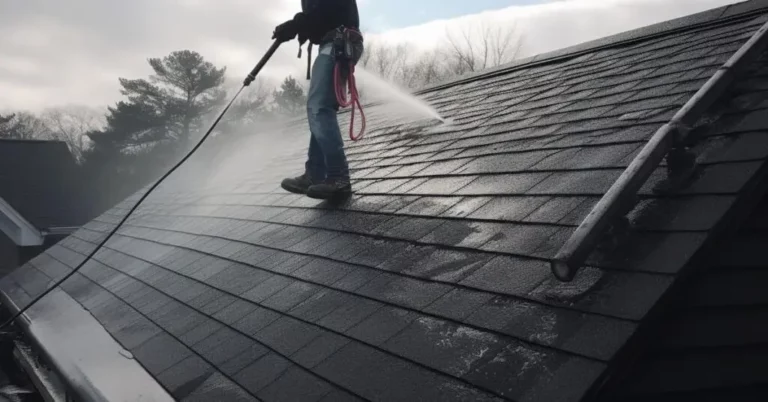
Pressure washing is a powerful tool, but using it incorrectly can cause damage to your home’s exterior. Here are essential techniques to ensure safety and effectiveness:
-
Adjust the water pressure: Use a lower PSI for delicate materials like vinyl or wood siding, usually between 1200 to 1500 PSI. Harder surfaces like brick or stucco can tolerate higher pressures.
-
Select the correct nozzle: A wide-angle nozzle (25 to 40 degrees) diffuses water to minimize damage, while a narrow nozzle can be used cautiously on tough stains.
-
Maintain an appropriate distance: Holding the spray wand too close (less than 12 inches) can damage paint or siding. Keep about 12 to 24 inches distance.
-
Pre-treat stubborn stains: Applying eco-friendly detergents before washing loosens grime, mold, and mildew, making them easier to rinse off.
-
Work in sections and follow a consistent pattern: This prevents streaks and ensures the entire surface gets evenly cleaned.
Following these best practices will leave your home clean and prevent unnecessary wear or damage.
Benefits of Modern Pressure Washing Technology for Homes
Advancements in pressure washing equipment and cleaning solutions have made the process more efficient and safer than ever before:
-
Adjustable pressure controls: Allow precise PSI settings for different surface types to avoid damage.
-
Eco-friendly detergents: Biodegradable cleaning agents help break down tough stains while protecting plants and the environment.
-
Water-efficient pumps and nozzles: Optimize water usage without sacrificing cleaning power.
-
Lightweight and ergonomic designs: Reduce operator fatigue and make maneuvering easier.
-
Safety features: Include an automatic shut-off pressure regulator and insulated handles to protect users.
Using modern technology ensures thorough cleaning that’s both effective and environmentally responsible.
Real-World Use Cases for Pressure Washing Your House
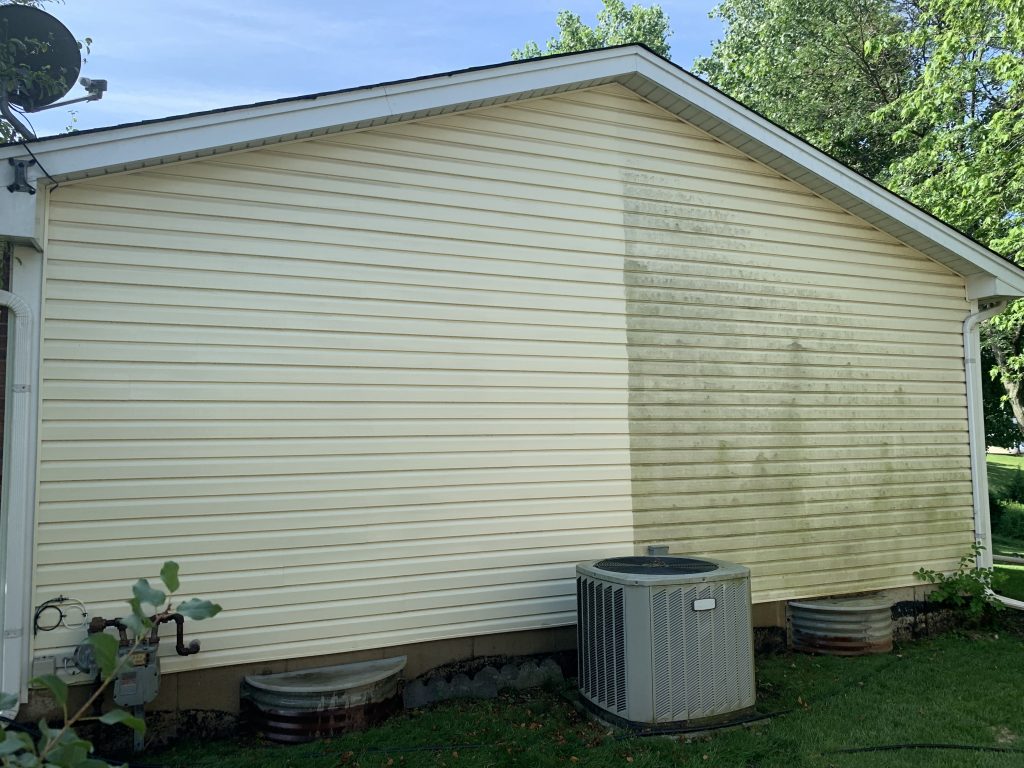
1. Vinyl Siding Cleaning
Vinyl siding is popular due to its durability and low maintenance. However, it collects dirt, algae, and mildew over time, which dulls its appearance and can cause long-term damage. Pressure washing removes these buildup layers, restores the siding’s brightness, and helps extend its lifespan.
2. Brick Exterior Restoration

Brick homes often accumulate soot, moss, and dirt in mortar lines. A careful pressure washing removes grime without damaging the masonry, enhancing the natural texture and color of the brickwork.
3. Wood Siding Maintenance
Wood siding is more delicate and requires gentle, low-pressure washing combined with biodegradable detergents to safely remove mold and mildew. This process prevents wood rot and paint deterioration.
4. Stucco Surface Cleaning
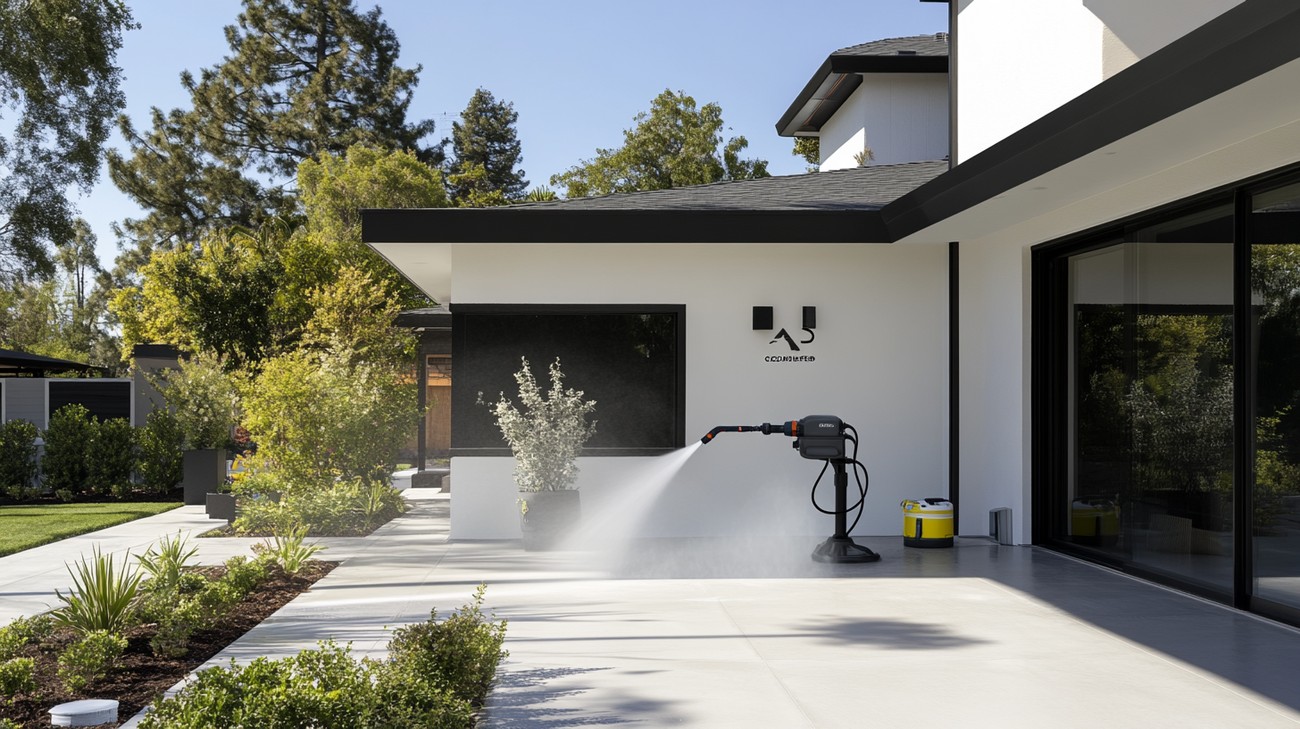
Stucco exteriors are porous and can trap dust and mildew. Controlled pressure washing refreshes the surface and prevents buildup without causing cracking or erosion.
5. Concrete Driveways and Walkways
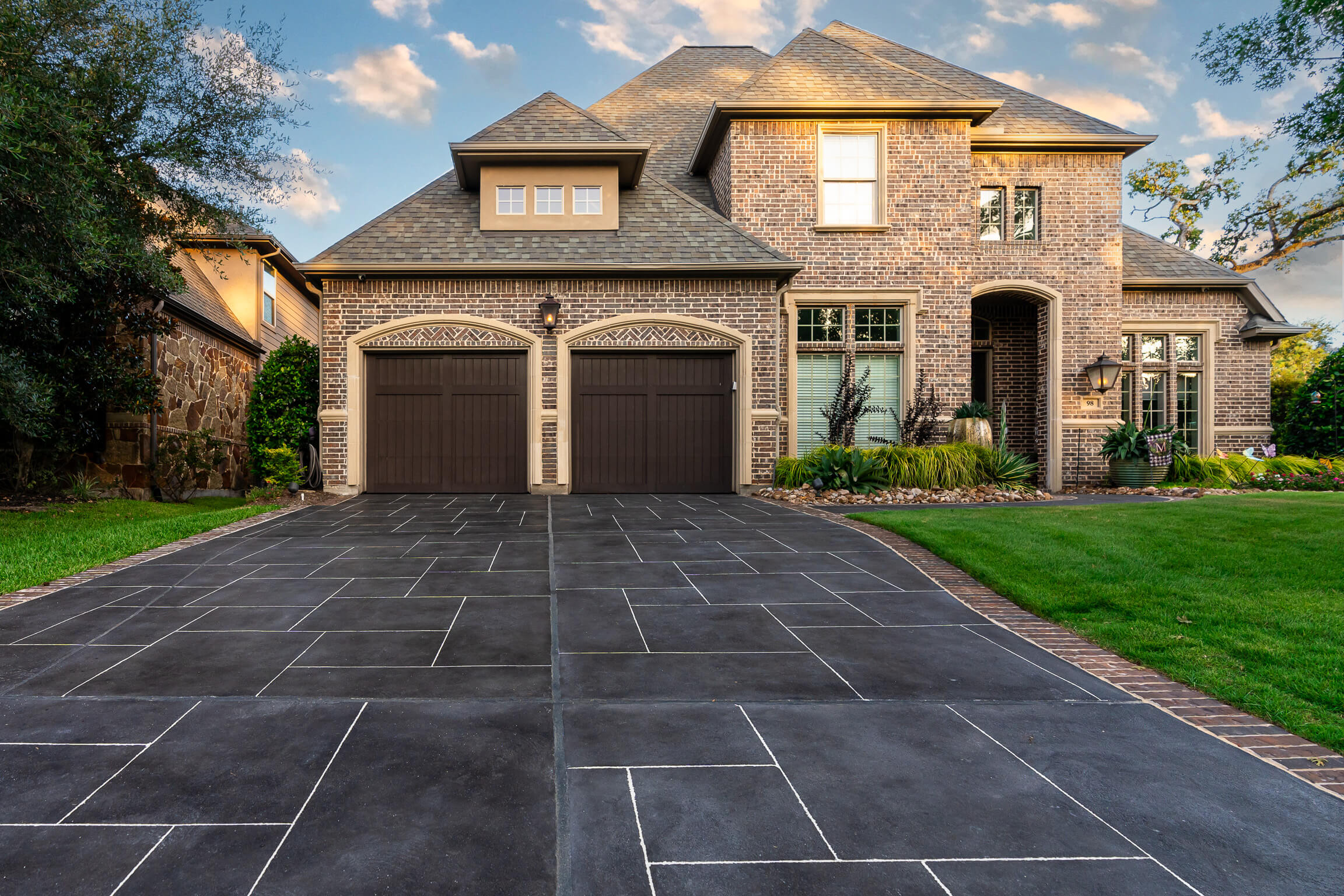
Though not siding, cleaning driveways and walkways with pressure washing removes oil stains, algae, and dirt, improving safety and enhancing overall property aesthetics.
Practical Advantages of Pressure Washing Your Home
Pressure washing your house regularly provides multiple practical benefits beyond just a cleaner look:
-
Improved curb appeal: A freshly cleaned house exterior makes a strong positive impression and increases property value.
-
Prevention of structural damage: Removing mold, algae, and dirt prevents rot, corrosion, and surface deterioration that can lead to expensive repairs.
-
Healthier living environment: Mold and mildew can cause allergies and respiratory issues. Cleaning reduces these risks.
-
Long-term cost savings: Routine maintenance helps avoid costly paint jobs, siding replacements, or structural fixes.
-
Time efficiency: Pressure washing cleans large areas faster and more thoroughly than manual scrubbing.
FAQ About Needing Your House Pressure Washed
Q1: How often should I pressure wash my house?
Most homeowners benefit from pressure washing every 1 to 3 years, depending on local climate, exposure, and siding type. Homes in damp or shaded areas may need more frequent cleaning.
Q2: Can pressure washing damage my house?
Improper use of pressure washers can damage siding or paint. It’s important to use correct pressure settings, nozzles, and techniques, or hire professionals to avoid risks.
Q3: Is pressure washing environmentally safe?
Yes, especially when biodegradable detergents and water-efficient equipment are used. Modern pressure washing balances cleaning effectiveness with environmental responsibility.