Home Powerwashing Complete Guide to Effective Exterior Cleaning
Powerwashing, also known as pressure washing, is a powerful method to clean the exterior of homes. It uses high-pressure water spray to remove dirt, mold, mildew, stains, and other buildup from surfaces such as siding, driveways, patios, and decks. Homeowners frequently seek home powerwashing services to restore their home’s curb appeal and protect the building materials from damage caused by grime and biological growth. This article provides an in-depth overview of home powerwashing, including techniques, technology benefits, real-world applications, and practical advantages.
What Is Home Powerwashing?
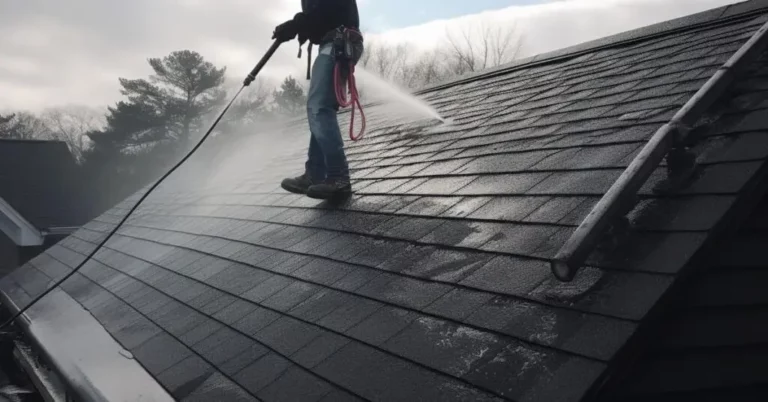
Home powerwashing is the process of using specialized equipment that delivers a high-pressure stream of water to clean exterior surfaces. It is effective at removing stubborn grime that cannot be cleaned by simple scrubbing or low-pressure washing.
This method can be applied to a wide range of home exteriors, including vinyl siding, brick, wood, concrete, stucco, and stone. Proper powerwashing helps remove dirt, moss, algae, mold, and stains, preventing deterioration and enhancing appearance.
Powerwashing machines vary in pressure, measured in PSI (pounds per square inch), and homeowners or professionals adjust settings to suit different surfaces to avoid damage.
Essential Techniques for Safe and Effective Home Powerwashing
Powerwashing is highly effective but can damage surfaces if done improperly. The following techniques ensure safe and thorough cleaning:
-
Correct Pressure Settings: Use low to medium pressure for delicate surfaces such as wood or vinyl siding. Hard surfaces like concrete or brick tolerate higher pressure.
-
Appropriate Nozzle Selection: Wide-angle nozzles spread water evenly, preventing streaks or gouges. Narrow nozzles can target tough stains but require caution.
-
Maintain Proper Distance: Holding the spray nozzle too close to surfaces can cause damage. A distance of 12 to 24 inches is recommended, depending on surface sensitivity.
-
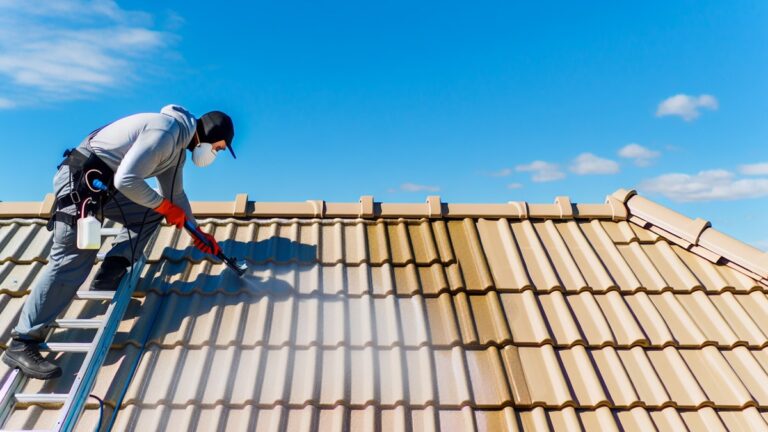
Use Biodegradable Cleaning Solutions: Applying eco-friendly detergents before washing can dissolve stains and biological growth for easier removal.
-
Work Systematically: Clean in sections, rinse thoroughly, and avoid overlapping wet areas to prevent streaks.
Following these best practices protects your home’s exterior while delivering excellent cleaning results.
Benefits of Modern Powerwashing Technology
Technological advancements have greatly improved the efficiency, safety, and environmental impact of home powerwashing:
-
Adjustable Pressure Controls: Machines now allow precise PSI adjustment for different surfaces to prevent damage.
-
Eco-Friendly Cleaning Agents: Biodegradable, non-toxic detergents are designed specifically for powerwashing, protecting landscaping and waterways.
-
Water-Efficient Systems: Newer models optimize water use, delivering powerful cleaning with less consumption.
-
Lightweight and Ergonomic Equipment: Easier to handle, reducing fatigue and improving maneuverability around the home.
-
Safety Features: Auto shut-off, pressure regulators, and insulated handles increase operator safety.
These innovations make powerwashing more accessible and environmentally responsible.
Real-World Applications of Home Powerwashing
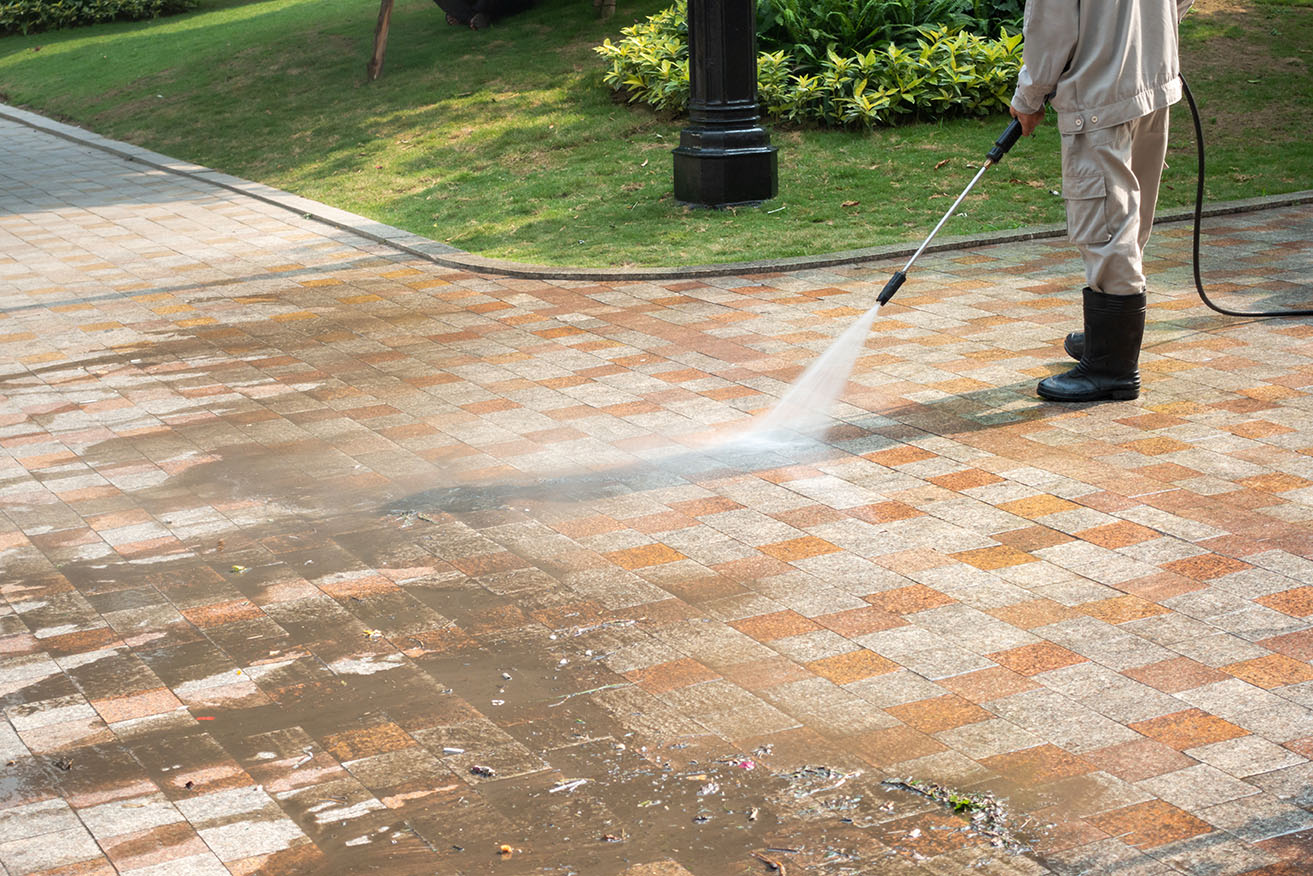
1. Vinyl Siding Cleaning
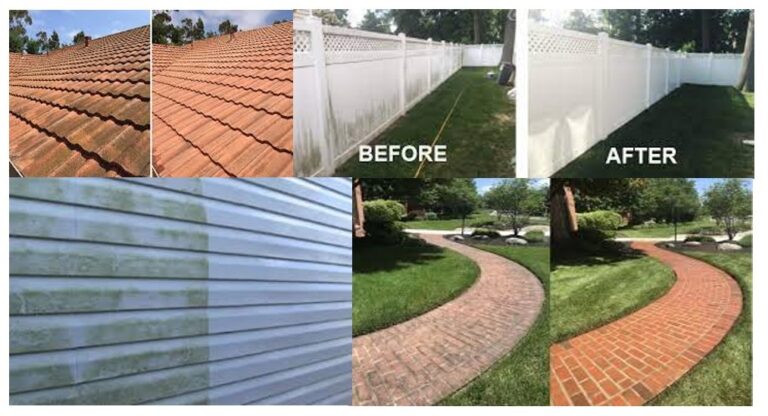
Vinyl siding, common in many homes, attracts dirt, algae, and mildew that dull its appearance and can cause long-term damage. Powerwashing removes buildup, restoring the siding’s clean look and preventing rot or mold development.
2. Concrete Driveway and Walkway Cleaning
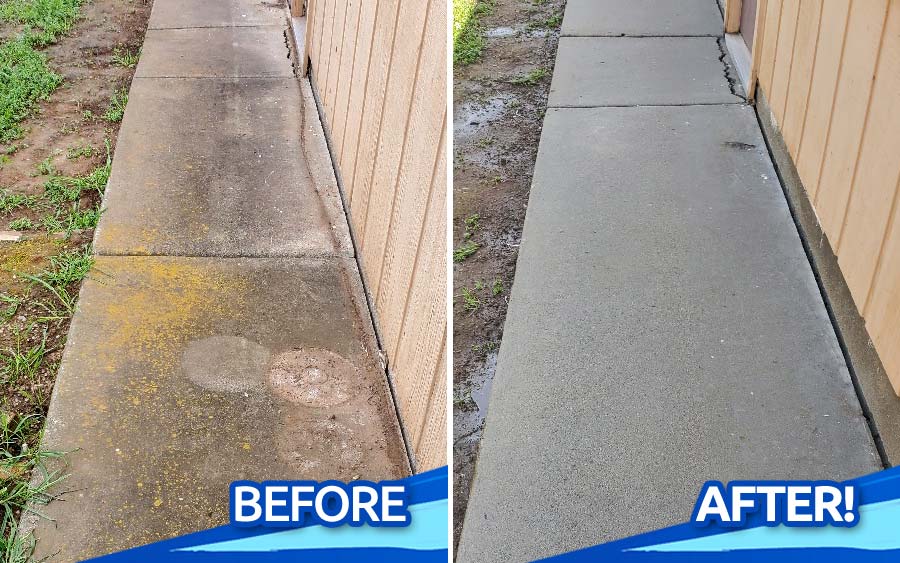
Concrete surfaces accumulate oil stains, dirt, and algae, making them slippery and unsightly. Powerwashing removes these contaminants, improving safety and boosting curb appeal.
3. Wooden Deck Restoration
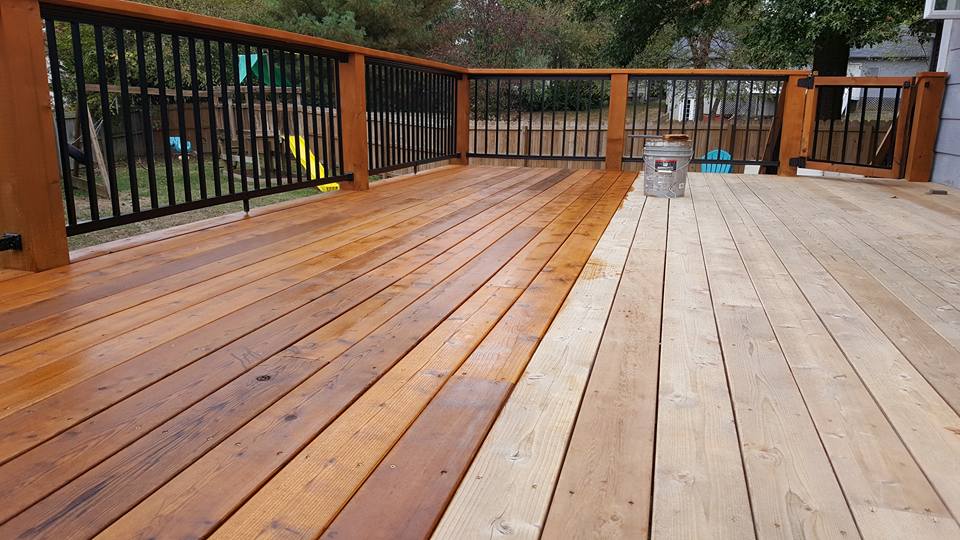
Wood decks collect dirt and mildew that promote rot and decay. Powerwashing revives the wood’s natural look and prepares the surface for sealing or refinishing.
4. Brick and Stone Exterior Maintenance
Brick and stone walls trap dirt and biological growth in crevices. Powerwashing cleans these thoroughly without damaging the mortar or stone texture.
5. Patio and Outdoor Furniture Cleaning

Outdoor spaces accumulate grime and pollen. Powerwashing restores these areas, making them inviting and prolonging furniture lifespan.
Practical Advantages of Home Powerwashing
Home powerwashing offers many real-world benefits:
-
Enhanced Curb Appeal: A clean exterior immediately improves the appearance of your property.
-
Prevents Structural Damage: Removing mold, algae, and dirt prevents moisture buildup that can cause wood rot, paint peeling, and other damage.
-
Health Benefits: Eliminates mold spores and mildew that can trigger allergies and respiratory problems.
-
Cost Savings: Regular powerwashing reduces the need for expensive repairs or repainting.
-
Time and Effort Efficiency: Powerwashing cleans large areas quickly and effectively compared to manual scrubbing.
Use Cases: Problems Solved by Home Powerwashing
Powerwashing solves many common household issues:
-
Mildew and Mold Removal: These fungi thrive in moist conditions and can damage wood and siding while posing health risks.
-
Stain and Dirt Removal: Oil stains on driveways, pollen on siding, and dirt buildup can all be cleaned efficiently.
-
Allergen Reduction: Cleaning surfaces reduces mold spores and allergens around your home.
-
Preparation for Painting or Sealing: Powerwashing removes old paint flakes, dirt, and mildew, ensuring new coatings adhere properly.
-
Preventing Slip Hazards: Algae and moss on walkways and patios can be slippery; powerwashing eliminates these risks.
FAQ About Home Powerwashing
Q1: How often should I powerwash my home?
Most homes benefit from powerwashing every 1 to 3 years, depending on location, climate, and surface type.
Q2: Can powerwashing damage my home?
If done improperly with excessive pressure or wrong techniques, yes. Using correct pressure settings and proper nozzles is critical to avoid damage.
Q3: Are powerwashing detergents safe for the environment?
Yes, modern detergents are biodegradable and safe when used as directed, protecting plants and water systems.