Great Dane Fence Staining – Ultimate Guide to Protecting Wood Fences, Techniques, and Real-Life Applications
A wooden fence is more than just a boundary for your yard; it’s a protective barrier for your property and pets. For owners of large dogs like Great Danes, fence maintenance becomes crucial. Their size and activity can lead to scratches, rubbing, and wear, which can compromise the fence’s durability. Proper staining protects your fence, enhances its look, and prolongs its life.
This guide will dive deep into Great Dane fence staining, covering preparation, modern techniques, real-world projects, technology benefits, practical use cases, and expert tips to keep your fence looking great and lasting longer.
Why Staining Fences is Essential for Great Dane Owners
Great Danes are active, large dogs that can cause significant wear on wooden fences. Their scratching, rubbing, and even jumping can damage wood surfaces over time.
Staining is more than an aesthetic choice; it protects against:
-
Moisture damage and rot
-
UV sun exposure
-
Scratches and splinters
-
Insect infestations
Proper staining also reduces maintenance costs, increases fence longevity, and ensures safety for your pets while keeping your backyard visually appealing.
Planning Your Fence Staining Project
Before staining, careful planning ensures long-lasting results. Consider the following factors:
-
Fence Condition: Inspect for rot, cracks, or damage. Repair issues before staining.
-
Wood Type: Cedar, pine, and redwood absorb stains differently.
-
Stain Type: Semi-transparent, solid, or clear stains offer different levels of protection and appearance.
-
Timing and Weather: Dry weather is best to allow proper stain curing.
Planning avoids uneven results, peeling, or premature wear, especially for dog-heavy environments.
Modern Techniques and Technology for Fence Staining
Advances in staining technology make the process more efficient and durable:
-
Airless Sprayers: Cover large areas quickly with uniform coverage.
-
Moisture Meters: Ensure the wood is dry enough to absorb the stain effectively.
-
UV-Resistant Stains: Protect the fence from sun damage and fading.
-
Protective Sealants: Add an extra layer against scratches, moisture, and dog wear.
By integrating technology, your fence remains durable and visually appealing for years, even under heavy dog activity.
Real-World Examples of Great Dane Fence Staining
Example 1: Cedar Backyard Fence
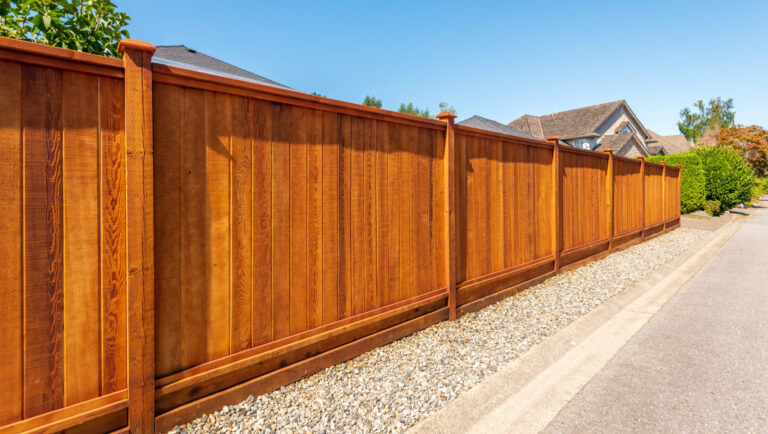
A family with a Great Dane had a cedar fence prone to scratches and fading. The contractor cleaned, sanded, and applied a semi-transparent UV-resistant stain. This preserved the natural wood grain while providing strong protection against dog activity and weather.
Example 2: Pine Fence with Scratch Resistance
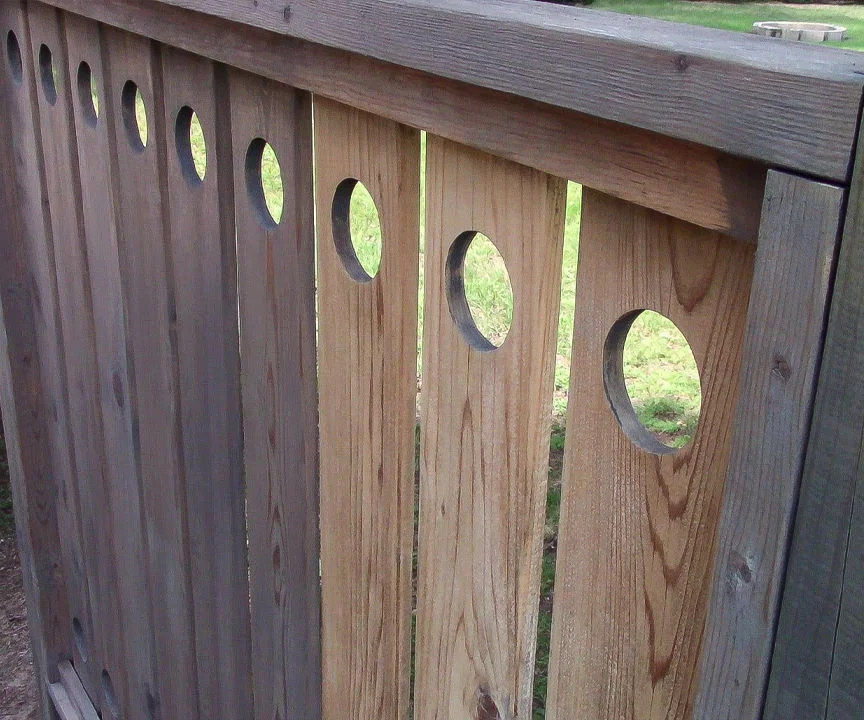
A suburban home with a pine fence experienced frequent scratching from a large dog. The contractor applied a solid-color stain with a protective sealant. The combination prevented moisture absorption, reduced visible scratches, and maintained a clean appearance.
Example 3: Red Cedar Privacy Fence
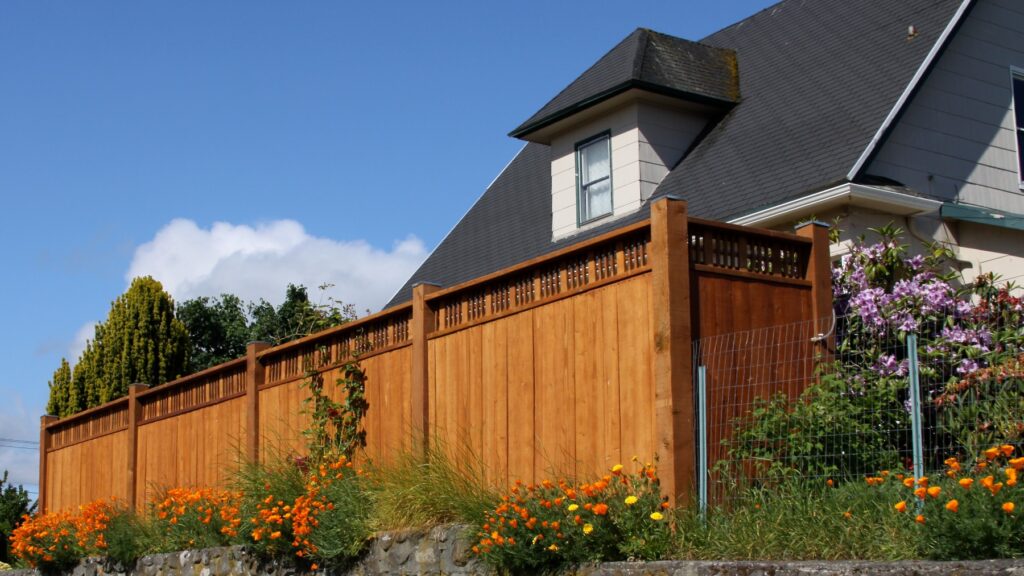
An owner of a Great Dane wanted a fence that complemented the home exterior. A semi-transparent stain with water-repellent properties created an attractive, weather-resistant fence suitable for high-traffic dog areas.
Example 4: Dog Play Area Fence
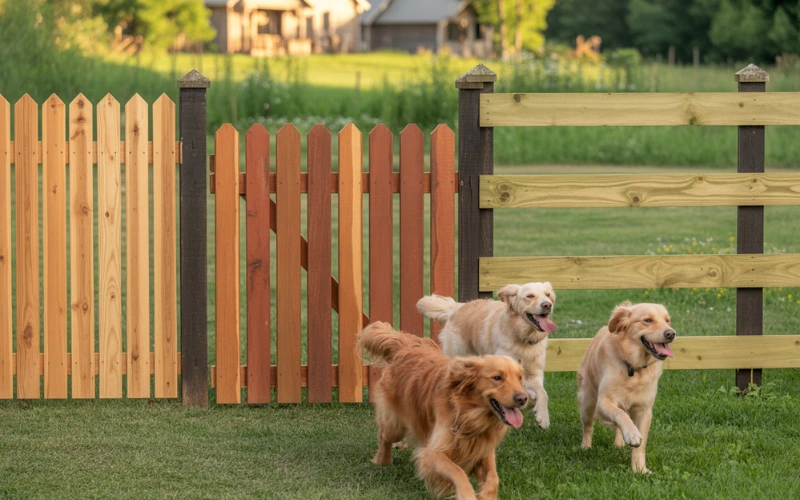
A dedicated dog run required a durable stain to withstand frequent dog interaction. Multiple coats of a pet-friendly solid stain ensured long-lasting protection and easier cleaning.
Example 5: Mixed Wood Fencing Project
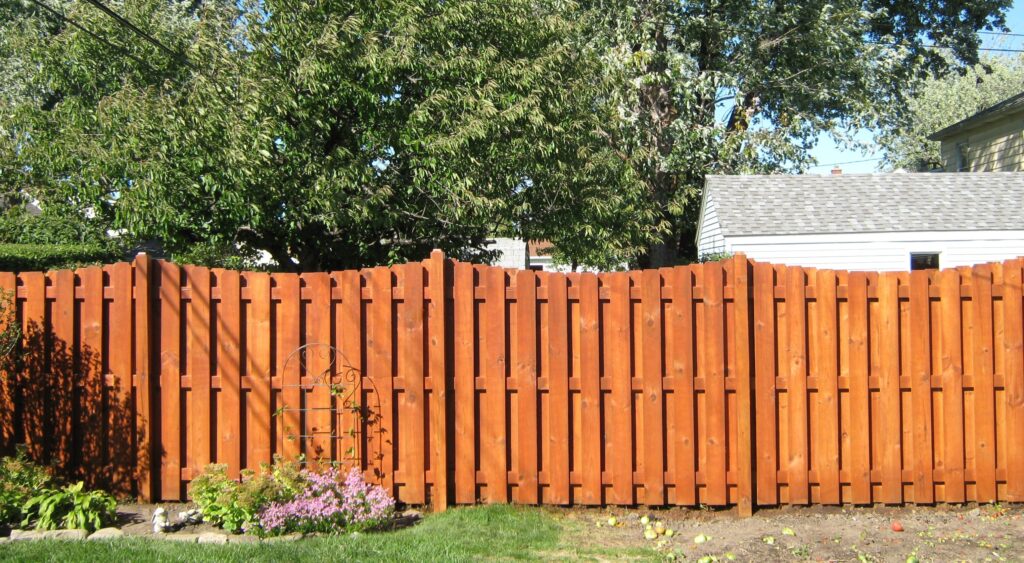
A property with mixed wood types needed tailored stain solutions for each section. This approach maintained a uniform appearance while protecting all surfaces from dog-related wear and weather exposure.
Benefits of Professional Fence Staining
Enhanced Durability: Protects against scratches, moisture, and splintering.
Reduced Maintenance: Fences require less frequent touch-ups, saving time and costs.
Improved Aesthetic: Highlights natural wood grain or provides uniform color that complements your property.
Pet Safety: Sealed wood reduces splinters and rough edges, keeping your dog safe.
Weather and UV Protection: Shields the fence from sun, rain, and humidity, extending its lifespan.
Practical Use Cases
Dog Wear Protection: Staining minimizes visible scratches and prevents wood damage.
Weatherproofing: Guards against rain, snow, and UV exposure, preventing warping or decay.
Aesthetic Upgrade: Refresh faded fences or match fence color to home exterior.
Property Value Enhancement: Well-maintained fences increase curb appeal and property value.
Ease of Cleaning: Stained fences are easier to hose down or wipe off dirt and paw marks.
Frequently Asked Questions
Q1: How often should I stain my fence if I have a Great Dane?
A1: Every 2–3 years is typical, depending on weather exposure and wear. High-traffic areas may need more frequent maintenance.
Q2: Can a stain prevent my dog from scratching the fence?
A2: Stain does not completely prevent scratching, but reduces visible damage and protects the wood from moisture and splintering.
Q3: Should I hire a professional or DIY?
A3: Professionals ensure even application, proper wood prep, and long-lasting results. DIY can work for smaller projects but may require more frequent touch-ups.