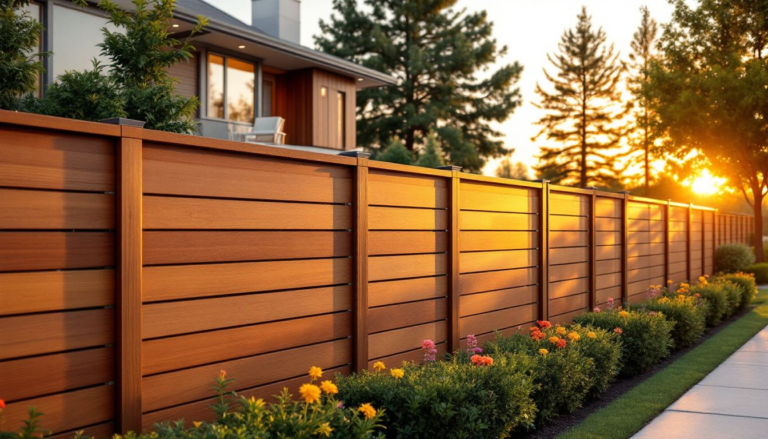
Fence Staining Near Me – Expert Guide for Long-Lasting Results
When you search for fence staining near me, you’re looking for local services that can protect, enhance, and extend the life of your wooden fence. Fence staining is more than just applying color; it’s a process that safeguards your wood from weather damage, UV exposure, and moisture.
Choosing a local expert ensures the stain is applied in a way that matches your climate conditions. A stain that works perfectly in a dry area might not perform well in a humid coastal town. That’s why location-specific knowledge is crucial for achieving a durable and beautiful finish.
Why Local Expertise Makes a Difference
Fences are constantly exposed to environmental elements rain, wind, sun, and fluctuating temperatures. Local staining professionals understand the seasonal challenges in your area and select products that work best for those conditions.
For example, in areas with heavy rain, water-repellent stains are essential. In regions with intense sun, UV-blocking stains will help prevent fading and cracking. Local pros can recommend the right type of stain, whether it’s oil-based for deeper penetration or water-based for faster drying, based on your unique needs.
Benefits of Fence Staining
Protection Against Harsh Weather
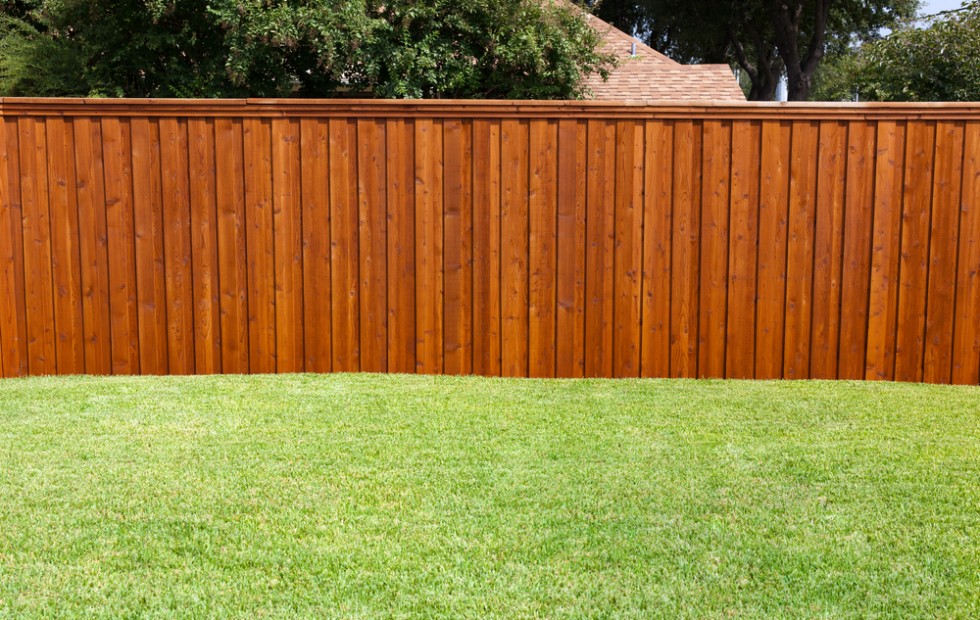
A properly stained fence forms a shield against rain, snow, and intense sun. This barrier helps prevent rot, mold, mildew, and structural damage, ensuring your fence stays strong year after year.
By investing in staining, you reduce the frequency of costly repairs and avoid premature fence replacement.
Boosting Visual Appeal
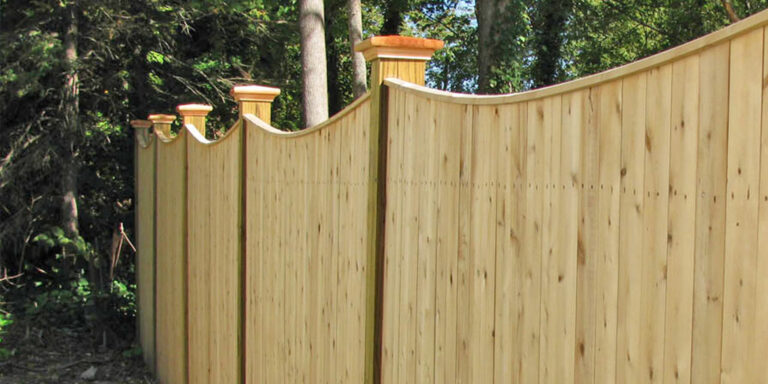
Staining also plays a major role in the appearance of your fence. The right color can complement your home’s style, make your garden feel more welcoming, and highlight the natural grain of the wood. Over time, unstained fences can turn dull and gray staining restores vibrance and charm.
Real-World Examples of Fence Staining
Example 1: Backyard Cedar Fence in Suburban Neighborhood
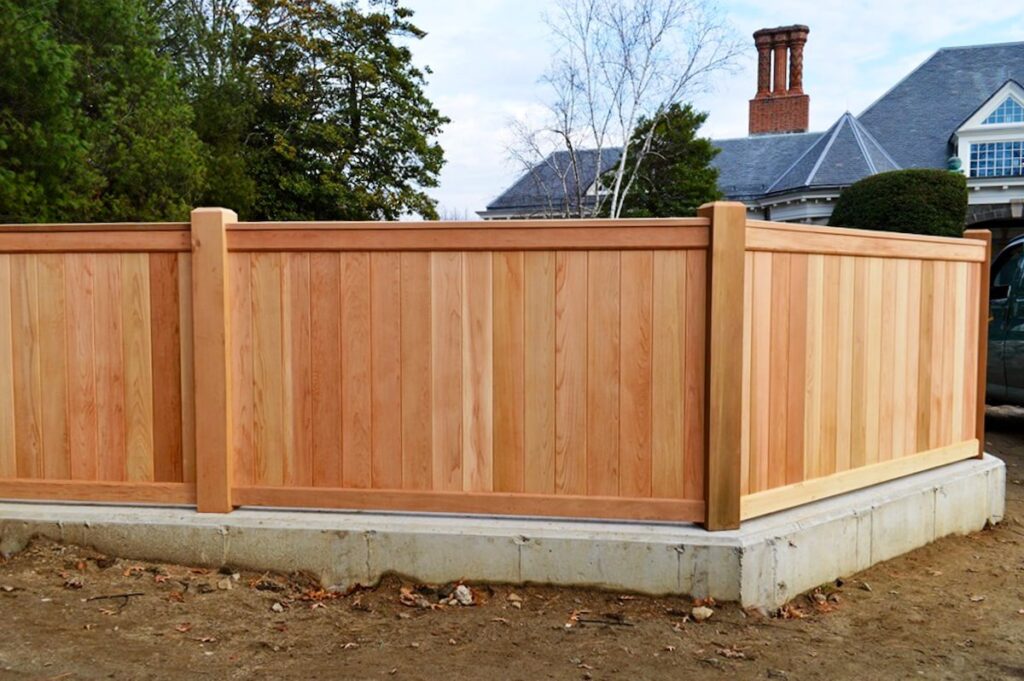
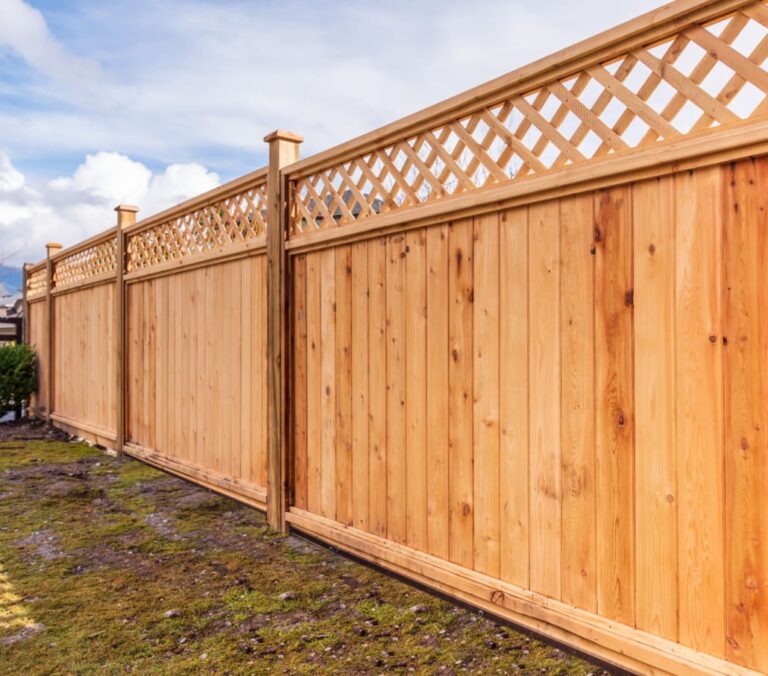
A family with a cedar fence noticed discoloration after two years of exposure to direct sunlight. A local staining service used a semi-transparent, UV-resistant stain to bring back the warm cedar tones while protecting the surface.
The result was a revitalized fence with visible wood grain that stood out beautifully against the landscaped yard, lasting for years without significant fading.
Example 2: Rural Property Boundary Fence
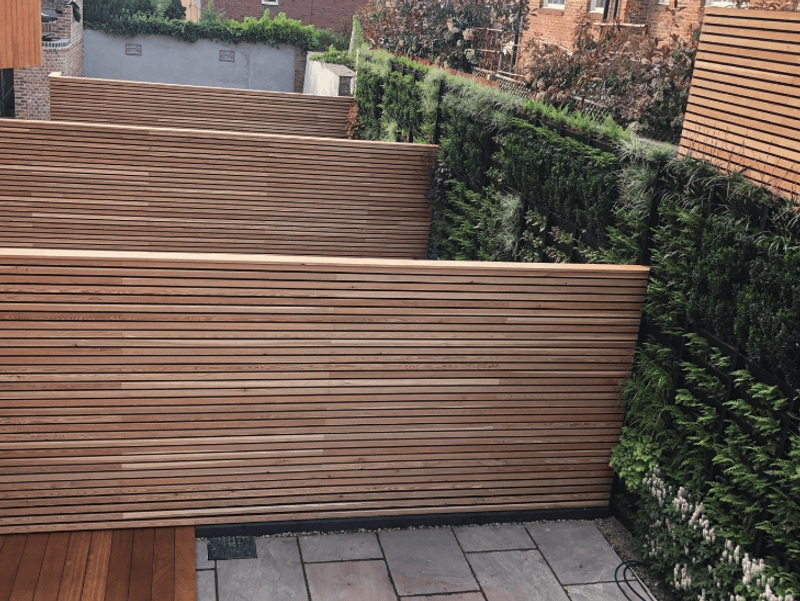
In rural areas, fences often face heavy rain and muddy conditions. One farm owner used a deep-penetrating oil-based stain recommended by a local expert. This stain soaked into the wood fibers, providing lasting protection against water damage and preventing warping.
Years later, the fence remained sturdy and visually appealing despite constant exposure to the elements.
Example 3: Coastal Beach House Fence

A beachfront property owner dealt with salt spray and high humidity. Local pros selected a marine-grade stain with water-repelling properties. The fence kept its rich brown tone for seasons at a time, resisting the typical graying and corrosion common in coastal environments.
The stain’s resilience meant minimal touch-ups were needed, making it a practical long-term investment.
Practical Use Cases and Advantages
Extending Fence Lifespan
Without proper protection, wood fences can deteriorate quickly, especially in climates with extreme weather shifts. Staining acts as a protective measure that prolongs the life of your fence, keeping it functional and attractive.
Preventing Costly Repairs
Wood that absorbs too much moisture can warp, crack, or rot, leading to expensive repairs. Staining seals the wood, preventing water from penetrating deep into the grain.
Increasing Property Value
A well-maintained fence enhances curb appeal, signaling to potential buyers that the property is cared for. This can be a subtle but effective factor in boosting resale value.
Why “Near Me” Searches Work for Fence Staining
When you type fence staining near me, you’re narrowing your search to local professionals who understand your region’s environmental demands. This means they can tailor their approach to your needs, whether that’s scheduling staining during a dry season or using a formula designed for your area’s weather patterns.
Local services also offer faster response times, personalized consultations, and follow-up maintenance if necessary. These advantages make a big difference compared to hiring someone unfamiliar with your climate.
FAQs
1. How often should I stain my fence?
Most fences should be stained every 2–3 years, but the timeline can vary depending on your local climate and the type of stain used.
2. Can I stain my fence myself?
Yes, but hiring a pro ensures proper preparation, even application, and the use of high-quality products suited to your environment.
3. Does staining work for all types of wood fences?
Yes, but the preparation and stain type may differ. Cedar, pine, and redwood all respond well to staining, but each may require specific products and techniques.