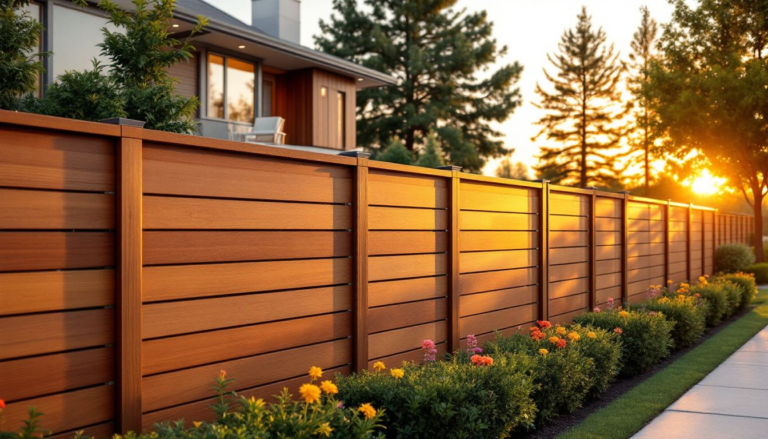
Fence Sealing Cost Complete Guide with Examples & Benefits
Sealing a fence is an essential part of maintaining your outdoor space. It protects wood from weather, enhances curb appeal, and extends the fence’s lifespan. Understanding the fence sealing cost requires looking at multiple factors, such as wood type, sealant, labor, and preparation. This guide provides in-depth information, real-world examples, and practical advice to help homeowners plan their fencing projects efficiently.
Why Fence Sealing is Important
Sealing your fence offers more than aesthetic improvements:
-
Water and Moisture Protection: Wood naturally absorbs water, which can lead to rot and decay. Sealants prevent this.
-
UV Resistance: Sealants with UV blockers help retain the wood’s color and prevent fading.
-
Insect Deterrence: Sealed wood discourages termites and other damaging insects.
-
Visual Appeal: Highlighting natural wood grain or uniform color improves the property’s look.
A neglected fence can deteriorate faster, leading to higher repair costs and a less appealing yard.
Key Factors That Affect Fence Sealing Cost
Several components determine the overall fence sealing cost:
-
Fence Size: Larger fences require more sealant and labor.
-
Wood Type: Softwoods like pine absorb more sealant than hardwoods like cedar.
-
Preparation Needs: Cleaning, sanding, or replacing damaged boards increases costs.
-
Sealant Type: Clear, semi-transparent, or solid-color sealants vary in price and coverage.
-
Labor Costs: Hiring professionals ensures uniform application but increases overall expenses.
Understanding these variables helps in estimating the total budget accurately.
Step-by-Step Fence Sealing Process
Cleaning and Preparing the Fence
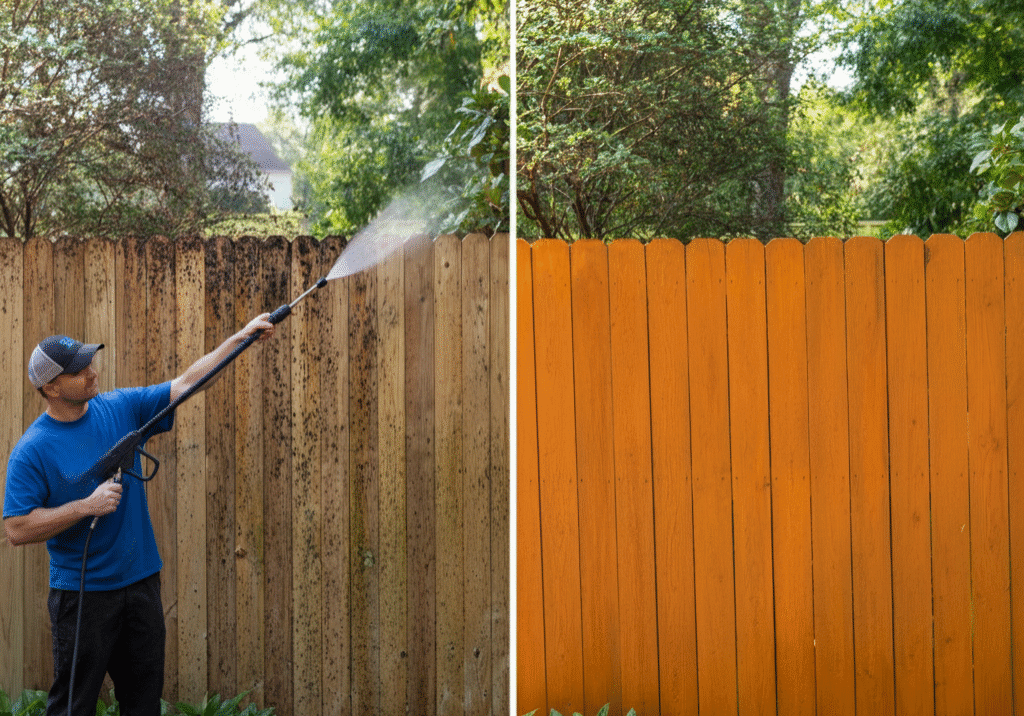
Cleaning removes dirt, mildew, and old finishes. This step ensures proper sealant adhesion and prevents uneven coverage.
Repairing and Sanding
Replace broken or rotted boards and sand rough spots. Proper preparation ensures the fence is smooth and ready for sealing.
Selecting and Applying Sealant
Choose a sealant suitable for your wood type and local weather. Apply with brushes, rollers, or sprayers to ensure even coverage on all surfaces.
Drying and Curing
Allow the sealant to cure properly. Drying times vary based on weather, wood type, and sealant formula, typically 24–48 hours.
Real-World Examples of Fence Sealing
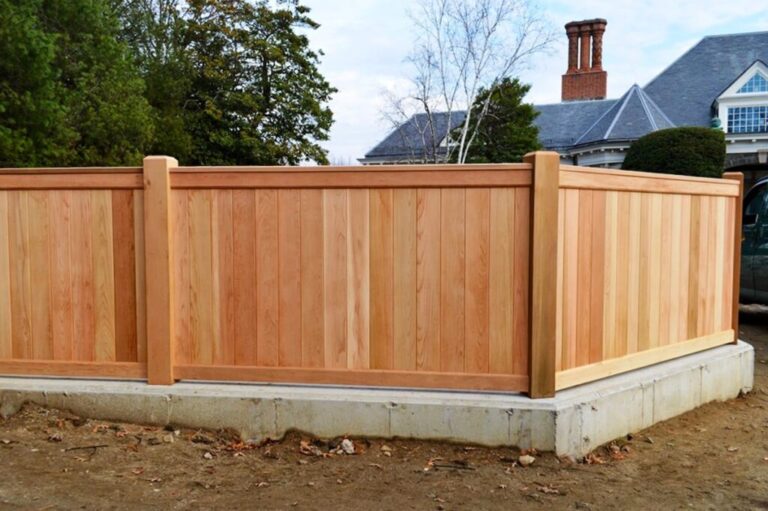
Example 1: Cedar Backyard Fence
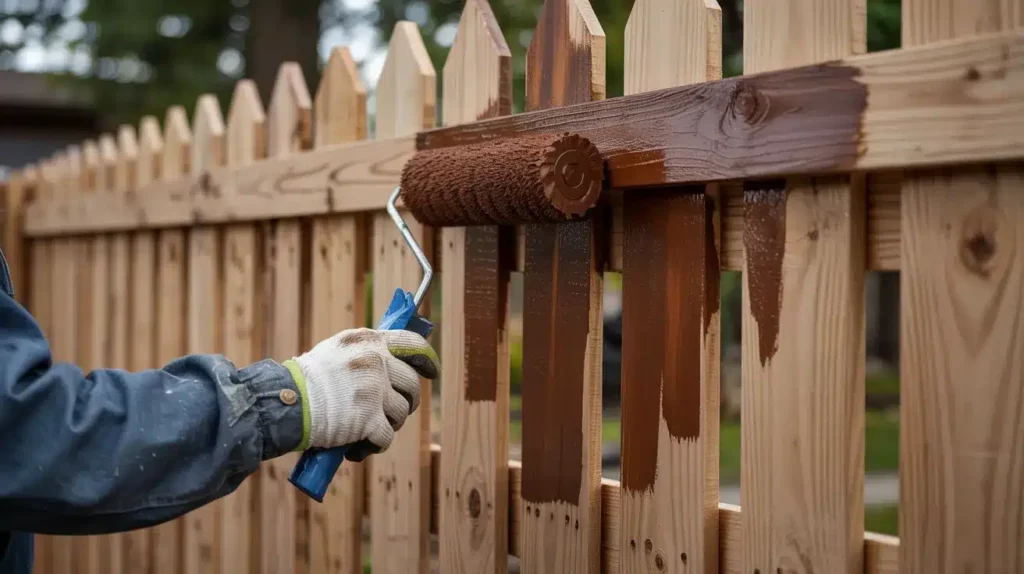
A cedar fence received a semi-transparent sealant, which enhanced its natural grain and provided water and UV protection. The fence remained low-maintenance for over two years.
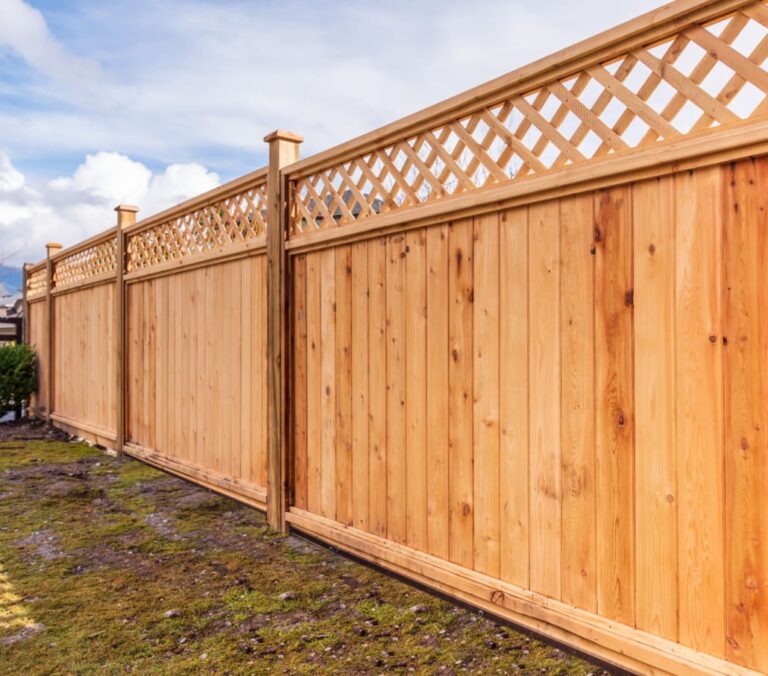
Example 2: Pine Front Yard Fence
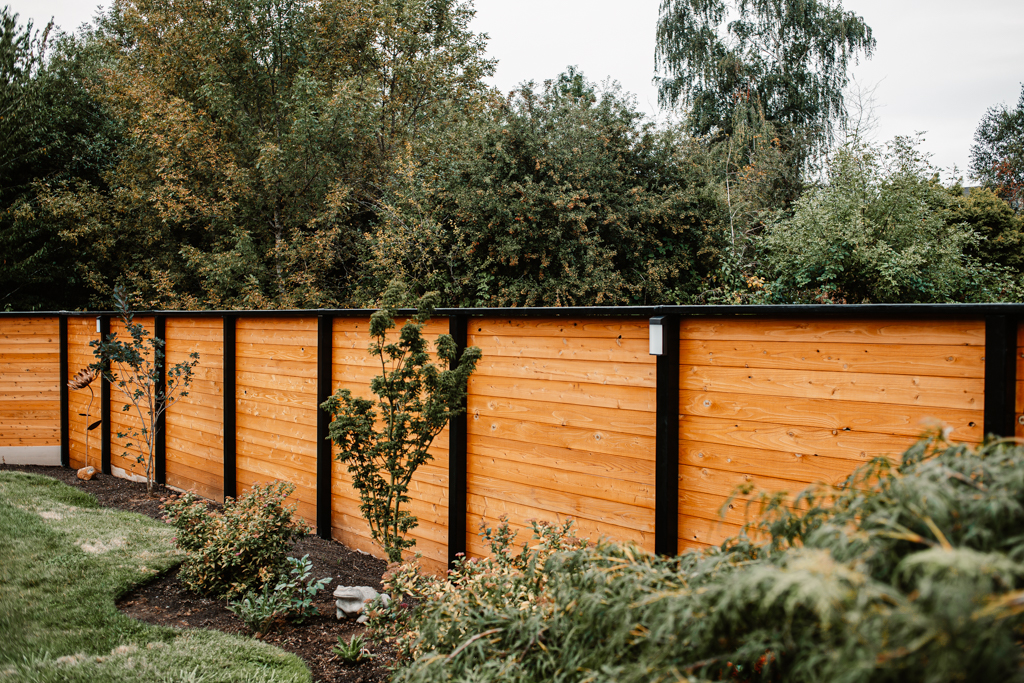
A softwood pine fence was sanded and coated with a solid-color sealant. This uniform finish revitalized the property’s appearance and provided strong protection against the weather.
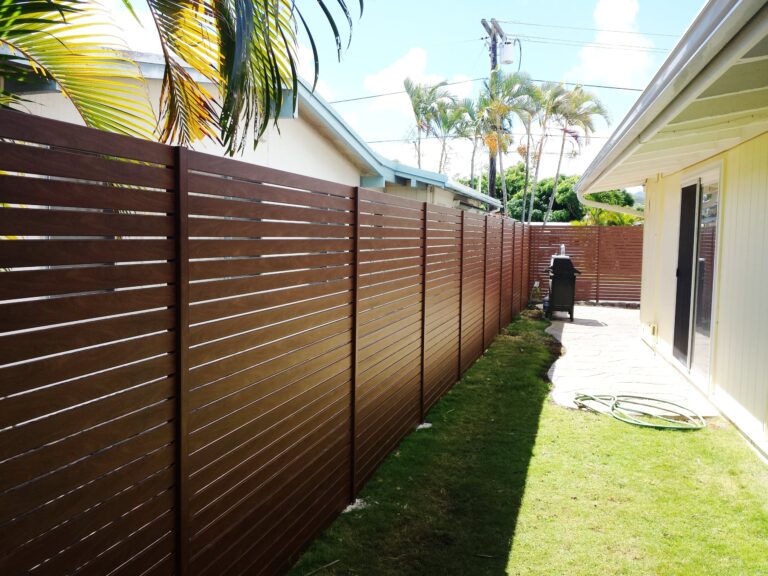
Example 3: Redwood Privacy Fence
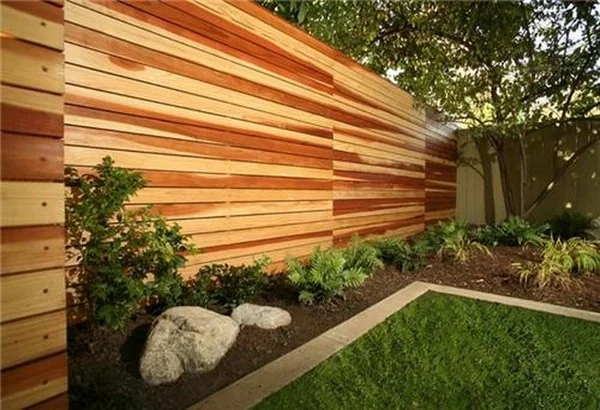
Redwood fencing was treated with semi-transparent sealant, preserving the wood’s natural hues while preventing sun damage and water infiltration.
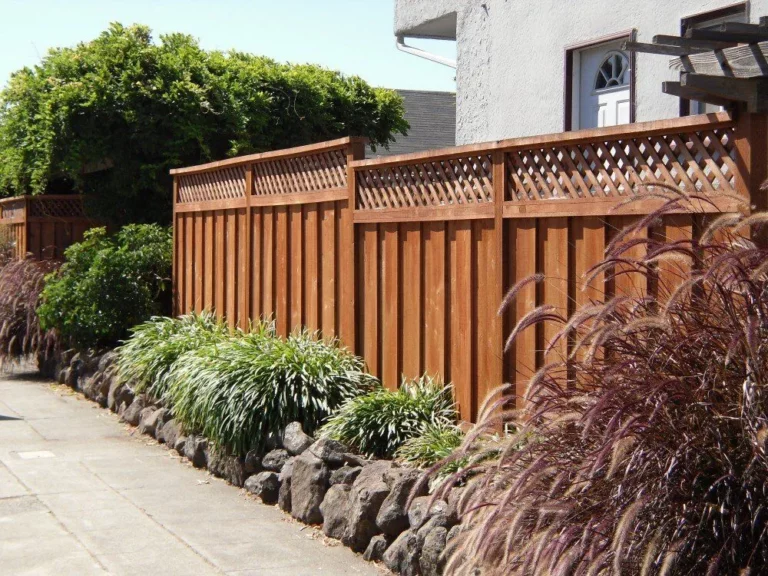
Example 4: Mixed Wood Community Fence
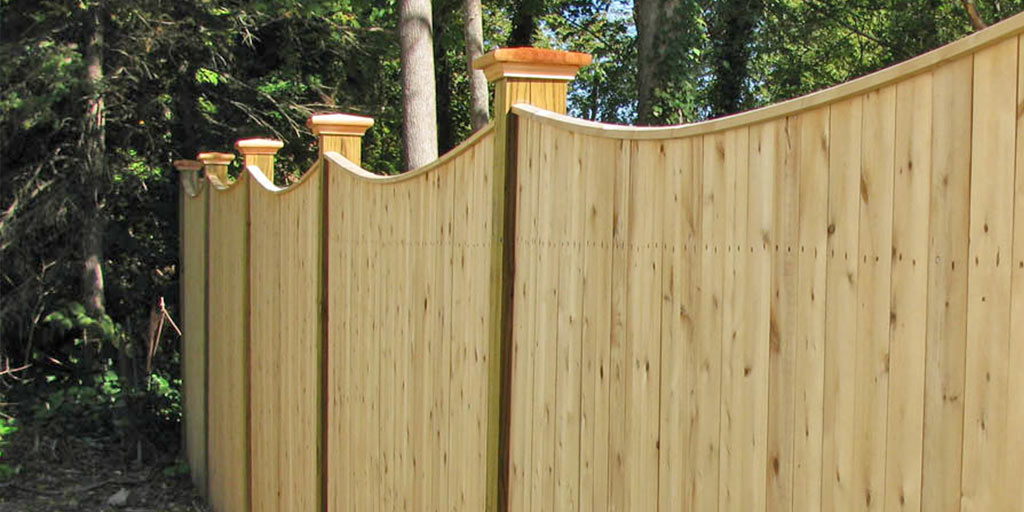
A fence combining different wood types was sealed using customized techniques to ensure consistent absorption and a long-lasting protective layer.
Example 5: Pet-Friendly Dog Run Fence

High-traffic areas needed a durable sealant. The finished fence was scratch-resistant, waterproof, and maintained its aesthetic appeal despite heavy use.
Benefits of Fence Sealing
-
Enhanced Durability: Protects wood from rot, warping, and sun damage.
-
Reduced Maintenance: Proper sealing decreases the frequency of reapplications.
-
Improved Aesthetics: Highlights wood grain and provides a clean, uniform appearance.
-
Safe Surfaces: Smooth, sealed wood prevents splinters for children and pets.
-
Weatherproofing: Resists rain, snow, and extreme temperature changes.
Practical Use Cases
-
Curb Appeal: Sealed fences maintain an attractive appearance year-round.
-
Moisture Protection: Prevents rot and decay in rainy or humid climates.
-
Family and Pet Safety: Reduces risk of splinters and insect damage.
-
Property Value: A well-maintained fence enhances overall property appeal.
-
Ease of Cleaning: Dirt and mildew are easier to wash off sealed wood.
Cost Breakdown and Budget Tips
-
DIY Costs: $50–$200 for small fences, including sealant and basic tools.
-
Professional Services: $150–$500+, depending on fence size, wood type, and preparation.
-
Sealant Material: $20–$50 per gallon based on brand and type.
-
Preparation Costs: Pressure washer rental, sanding, or repair materials.
Planning helps avoid unexpected expenses and ensures quality results.
Common Mistakes to Avoid
-
Applying to Wet Wood Can lead to poor adhesion and uneven finish.
-
Skipping Cleaning: Dirt or mold prevents proper sealant coverage.
-
Ignoring Wood Differences: Different woods may require multiple coats or primers.
-
Excessive Sealant Application: Too-thick layers can peel or crack over time.
Avoiding these mistakes ensures a professional, long-lasting fence.
Frequently Asked Questions
Q1: How often should a fence be sealed?
A1: Every 2–4 years, depending on wood type, climate, and sealant quality.
Q2: Can I seal my fence myself?
A2: Yes, DIY is possible with proper preparation and tools. Professionals ensure even coverage and durability.
Q3: Does sealing prevent insect damage?
A3: Sealants create a moisture barrier that discourages insects, but severe infestations may require additional treatment.