Maintaining a clean and well-kept roof is essential for protecting your home from weather damage, improving curb appeal, and prolonging the life of roofing materials. Many homeowners search for roof power washing near me to find professional services that can safely and effectively remove moss, algae, dirt, and other buildup. Roof power washing uses controlled water pressure and eco-friendly cleaning agents to restore the roof’s appearance without causing damage. This comprehensive article explores roof power washing in detail, including effective techniques, technology benefits, real-world applications, practical advantages, and answers to common questions.
What Is Roof Power Washing and Why Is It Important?
Roof power washing is the process of cleaning roofing materials such as asphalt shingles, tiles, metal, or slate using specialized equipment that sprays water at controlled pressures combined with roof-safe cleaning agents. Unlike general pressure washing, roof power washing requires particular care to avoid damaging shingles, tiles, or seals.
A dirty roof can lead to trapped moisture, which accelerates material degradation, promotes mold growth, and may cause leaks or structural damage. Regular cleaning prevents these issues, improves the home’s aesthetic, and can even improve energy efficiency by removing dark algae stains that absorb heat.
Techniques for Safe and Effective Roof Power Washing
Because roofs are vulnerable surfaces, the cleaning approach must be gentle yet thorough. Key techniques include:
-
Low-Pressure Cleaning: Most roofs, especially asphalt shingles, cannot tolerate high water pressure. Using low PSI combined with wide-angle spray nozzles protects the roof surface.
-
Soft Washing Method: This involves applying biodegradable cleaning solutions that dissolve moss, algae, and dirt, followed by a gentle rinse with low pressure. It’s particularly effective on fragile roofing materials.
-
Top-Down Cleaning Direction: Cleaning from the roof ridge downward prevents water from getting under shingles, which could cause damage.
-
Safety Precautions: Professionals use safety harnesses, scaffolding, and non-slip footwear to work safely on steep or elevated roofs.
Using these techniques ensures the roof is cleaned effectively without risking costly damage.
Benefits of Modern Roof Power Washing Technology
Advances in equipment and cleaning formulas have made roof power washing safer, more efficient, and environmentally friendly:
-
Adjustable Pressure Control: Allows operators to customize water pressure to match roofing material sensitivity.
-
Eco-Friendly Cleaners: Biodegradable detergents safely remove biological growth while protecting plants and soil.
-
Water Conservation Systems: Newer pumps and nozzles reduce water consumption without compromising cleaning performance.
-
Ergonomic Equipment Design: Lightweight tools improve maneuverability and reduce operator fatigue.
-
Integrated Safety Features: Pressure regulators and automatic shut-offs protect both the roof and cleaning personnel.
These technological improvements make roof power washing a practical, sustainable choice for homeowners.
Real-World Applications of Roof Power Washing
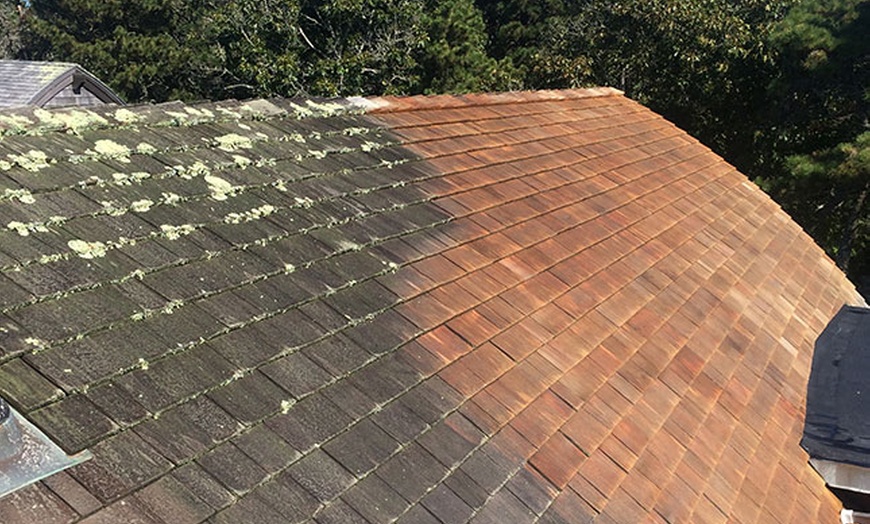
1. Asphalt Shingle Roof Cleaning
Asphalt shingles are susceptible to algae and moss growth, leading to dark streaks and trapped moisture. Low-pressure power washing combined with safe detergents removes buildup, revitalizing the roof’s look and extending its life.
2. Tile Roof Cleaning
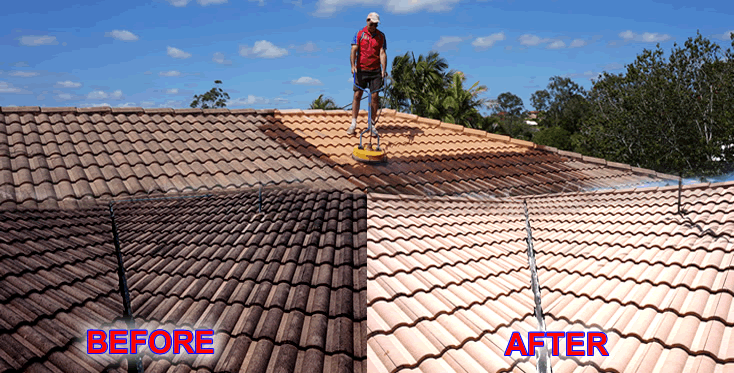
Clay and concrete tile roofs often collect moss and dirt in their crevices. Soft washing techniques prevent tile cracking and effectively restore the roof’s natural appearance.
3. Metal Roof Cleaning
Metal roofs require gentle washing to avoid scratching or removing protective coatings. Power washing removes dirt and prevents rust or corrosion formation.
4. Slate Roof Cleaning
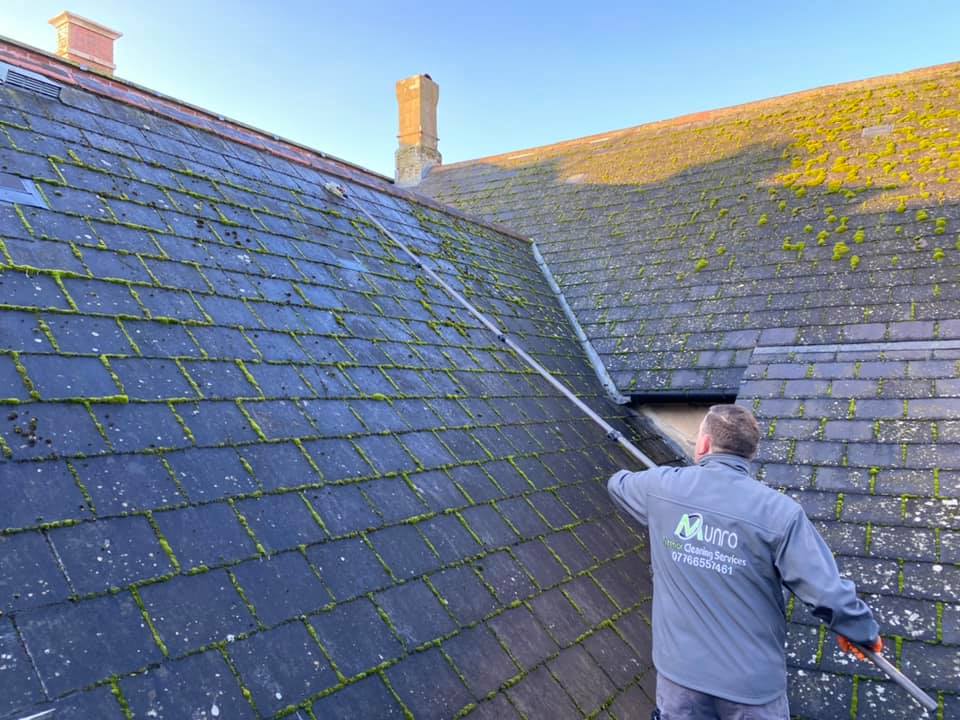
Slate roofs are delicate and require precise pressure settings and soft washing to avoid chipping while eliminating moss and lichen.
5. Wood Shake Roof Cleaning
Wood shakes are particularly sensitive and benefit from soft washing methods that remove mold and mildew without water intrusion or surface damage.
Practical Advantages of Roof Power Washing
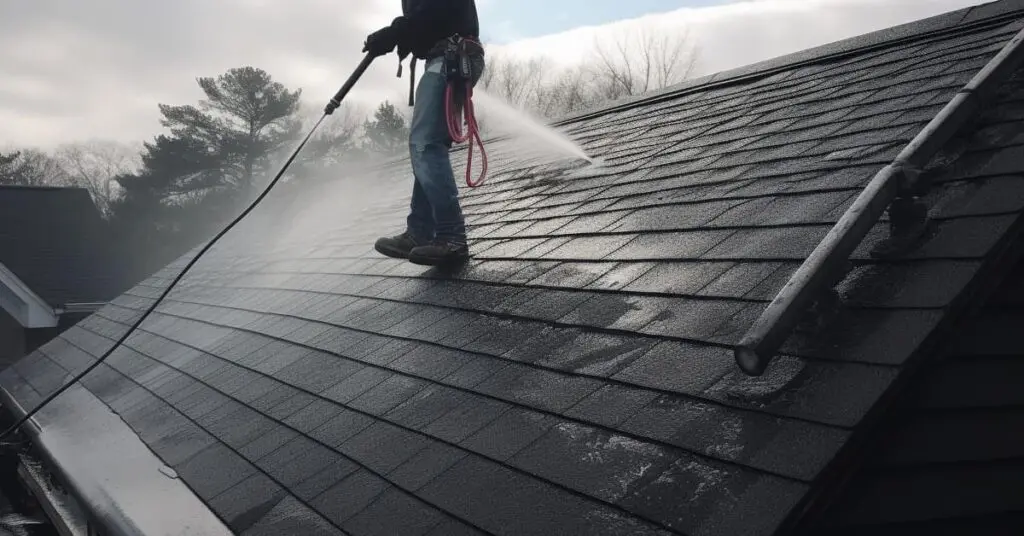
Roof power washing delivers multiple tangible benefits for homeowners:
-
Prolongs Roof Life: Removes damaging biological growth that retains moisture and accelerates wear.
-
Boosts Home Appearance: A clean roof enhances curb appeal and property value.
-
Prevents Costly Repairs: Early removal of moss and algae prevents leaks and material decay.
-
Improves Energy Efficiency: Clean roofs reflect sunlight better, reducing heat absorption and cooling costs.
-
Promotes Health and Safety: Eliminates mold spores and allergens that can affect air quality.
These advantages demonstrate why regular roof maintenance via power washing is a wise investment.
Use Cases: Problems Solved by Roof Power Washing
Roof power washing addresses common roofing issues, such as:
-
Moss and Algae Growth: These organisms retain moisture and cause shingles to rot or tiles to loosen.
-
Staining and Dirt Accumulation: Removes grime that dulls the roof’s appearance and blocks sunlight reflection.
-
Surface Degradation Prevention: Keeps roofing materials intact and functional by eliminating corrosive buildup.
-
Preparation for Repairs or Painting: Cleans surfaces thoroughly before roof coatings or repairs are applied.
-
Safety Improvements: Remove slippery moss and algae that can cause accidents during roof inspections or maintenance.
Frequently Asked Questions About Roof Power Washing Near Me
Q1: How often should I schedule?
Most roofs benefit from cleaning every 2 to 4 years, though homes in shaded or damp areas may require more frequent maintenance.
Q2: Can roof power washing damage my shingles or tiles?
When done with appropriate low pressure, correct nozzles, and experienced operators, roof power washing is safe for all common roofing materials.
Q3: Is roof power washing environmentally friendly?
Yes, modern practices use biodegradable cleaners and water-efficient equipment, minimizing environmental impact.