Power washing and staining a fence is one of the most effective ways to restore its beauty and extend its life. Over time, wooden fences are exposed to harsh sunlight, rain, dirt, and mildew, which can lead to fading and damage. Power washing cleans the surface thoroughly, while staining adds protection and enhances appearance.
This process is essential for homeowners who want their fences to last longer without frequent repairs. By combining cleaning with protective staining, you ensure that your fence remains both functional and attractive for years.
Why Power Washing is Essential Before Staining
Power washing removes deep-seated dirt, old stain residues, and mildew from the wood surface. If these contaminants are left behind, the stain will not adhere properly, leading to uneven coverage and reduced protection.
Skipping the cleaning step can cause premature peeling, flaking, and discoloration. In short, power washing is not just about looks; it’s about preparing the wood so the stain can penetrate deeply and protect the fibers from within.
Choosing the Right Equipment for Power Washing
When it comes to power washing a fence, the right equipment makes all the difference. A gas-powered pressure washer with adjustable PSI settings is ideal for removing grime without damaging the wood fibers. For softer woods like cedar or pine, keep the pressure lower to avoid gouging the surface.
Attachments such as a 25-degree nozzle are excellent for even cleaning. Some professionals also use specialized wood-cleaning detergents to loosen stubborn dirt before rinsing.
Selecting the Best Stain for Your Fence
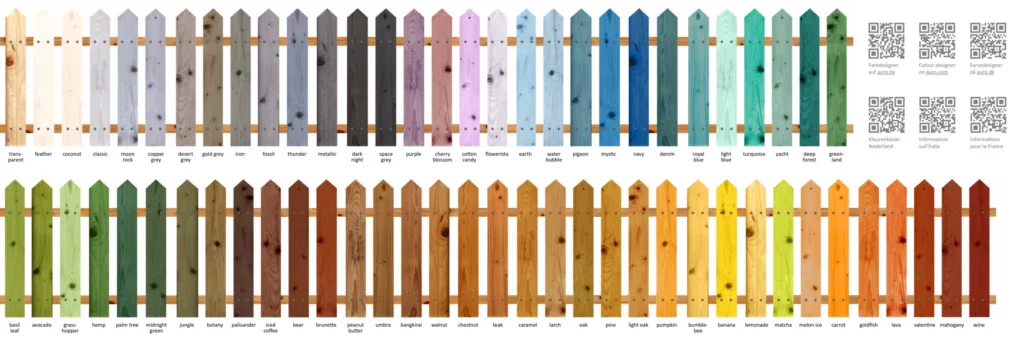
There are two main types of fence stains: oil-based and water-based. Oil-based stains penetrate deeply into the wood, offering excellent water resistance and longer-lasting color. Water-based stains, on the other hand, dry faster and emit fewer fumes, making them more environmentally friendly.
Choosing the right color and finish also plays a big role in aesthetics. Semi-transparent stains highlight the natural grain, while solid stains offer a uniform color for older, weathered wood.
Step-by-Step Process: Power Washing and Staining
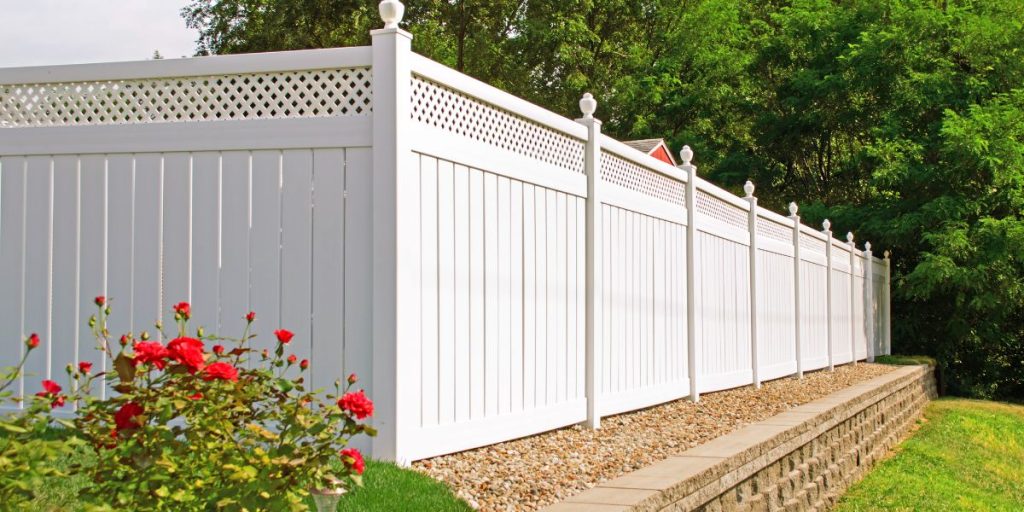
The process starts with clearing the area around the fence to prevent damage to plants and objects. Then, power wash the surface using consistent strokes, ensuring all areas are cleaned evenly.
After washing, allow the fence to dry completely, usually 24 to 48 hours, before applying the stain. Use a brush, roller, or sprayer for even application, working in small sections to avoid lap marks.
Real-World Examples of Effective Power Wash and Stain Applications
Cedar Fence Restoration
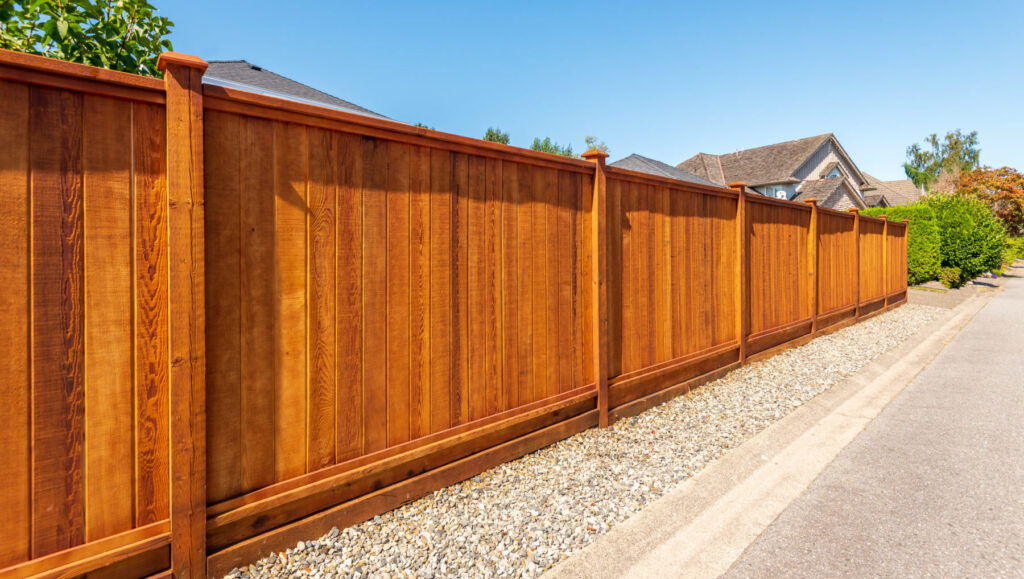
A cedar fence in a coastal area had severe salt and mildew damage. Power washing with a low-pressure setting restored its natural tone. Applying an oil-based stain sealed the grain and protected it from salty air corrosion.
Pine Fence in a Humid Climate
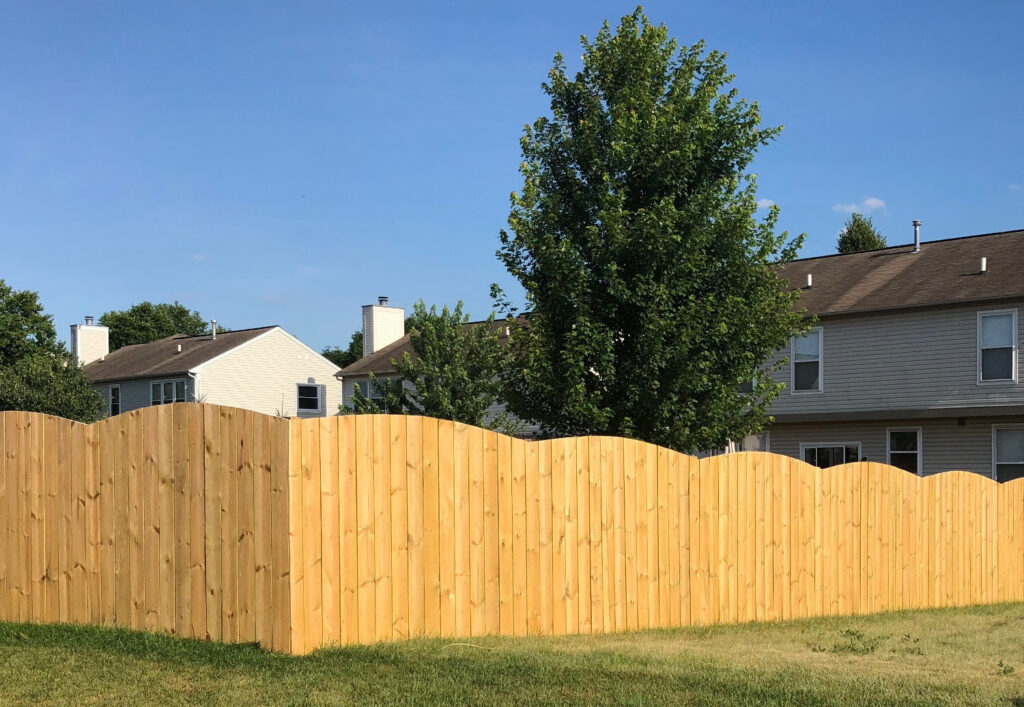
A pine fence in the southeast suffered from mold growth. Using a wood-safe detergent before power washing eliminated the problem. A semi-transparent stain was applied to allow the wood’s character to show while blocking moisture.
Redwood Fence in a Sunny Region
A redwood fence exposed to strong UV rays faded over time. Power washing brought back its color, and a UV-resistant stain was used to keep the vibrant look longer.
Benefits of Power Washing and Staining Your Fence
One of the biggest benefits is longevity. Regular cleaning and staining prevent rot, mold, and warping. Another key benefit is aesthetic appeal; your fence looks fresh, vibrant, and well-maintained.
From a financial perspective, investing in maintenance now saves you from costly replacements later. Plus, a beautiful fence boosts curb appeal, which is valuable if you plan to sell your home.
Use Cases: When Power Washing and Staining are Most Needed
This process is especially useful for fences that are more than two years old and starting to show signs of wear. It’s also ideal after a season of extreme weather, such as heavy rains, snow, or intense sun.
If you’ve recently moved into a home with an existing fence, power washing and staining can instantly upgrade its look without the cost of a new installation.
Common Mistakes to Avoid
Using too much pressure when power washing can cause permanent wood damage. Always test a small section first. Another mistake is applying stain to damp wood, which prevents proper absorption.
Also, avoid skipping maintenance. Even the best stain will wear over time, so plan to reapply every 2–4 years, depending on climate conditions.
FAQs
1. How often should I power wash and stain my fence?
Typically, every 2–3 years is ideal, but this can vary depending on your climate and the type of stain used.
2. Can I stain a fence without power washing first?
It’s not recommended. Without cleaning, the stain won’t bond properly, leading to poor results and a shorter lifespan.
3. How long should I wait to stain after power washing?
Allow at least 24–48 hours for the wood to dry completely before staining to ensure maximum absorption and protection.