Fence staining is not just a cosmetic upgrade; it’s an essential maintenance step to protect your fence from harsh weather, UV rays, and moisture damage. But before starting the project, knowing the fence staining estimate cost is key to budgeting effectively and avoiding surprises.
Costs can vary widely depending on fence size, material, stain type, labor rates, and preparation needs. By understanding these factors, homeowners can make informed decisions and ensure they get the best value for their investment.
Factors That Affect Fence Staining Costs
Fence Size and Length
The larger your fence, the more stain and labor will be required. Staining a small garden fence is far less expensive than tackling a long property boundary. Costs are often calculated per linear foot, so measuring your fence accurately is essential before requesting estimates.
A taller fence also increases costs because it requires more stain and possibly specialized equipment, such as ladders or sprayers, to ensure even coverage.
Type of Wood
Different types of wood absorb stain differently. Cedar and redwood, for example, are naturally resistant to rot but still benefit from staining. Softer woods like pine may require more coats to achieve the same level of protection, which can raise material and labor expenses.
Knowing your wood type helps contractors choose the right stain and estimate costs more precisely.
Labor Costs and Professional Expertise
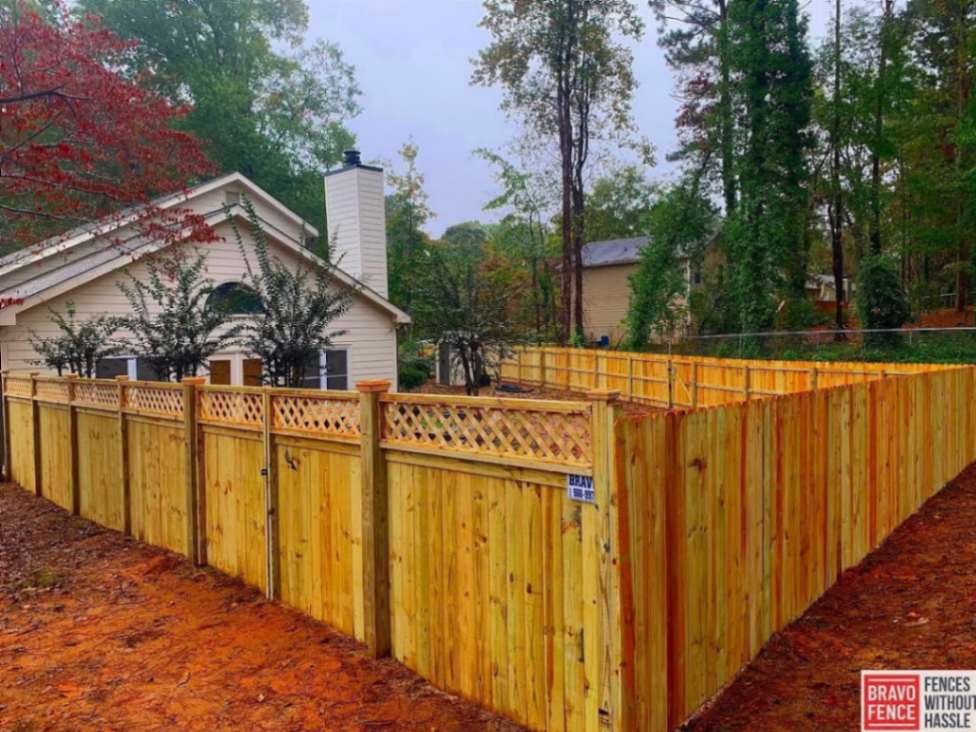
Hiring a professional typically costs more upfront but can save you money in the long run. Experienced contractors ensure proper surface preparation, even stain application, and longer-lasting results.
Labor costs vary depending on location, with urban areas generally having higher rates than rural regions. Local expertise also plays a role; professionals familiar with your climate can recommend the best products for long-term protection.
Preparation and Additional Work
Preparation is often the most time-consuming part of fence staining. Power washing, sanding, or repairing damaged boards can add to the total cost.
Skipping prep work may save money initially, but it can lead to uneven staining and reduced durability, forcing you to redo the job sooner than expected.
Real-World Examples of Fence Staining Costs
Example 1: Suburban Cedar Fence with Moderate Wear
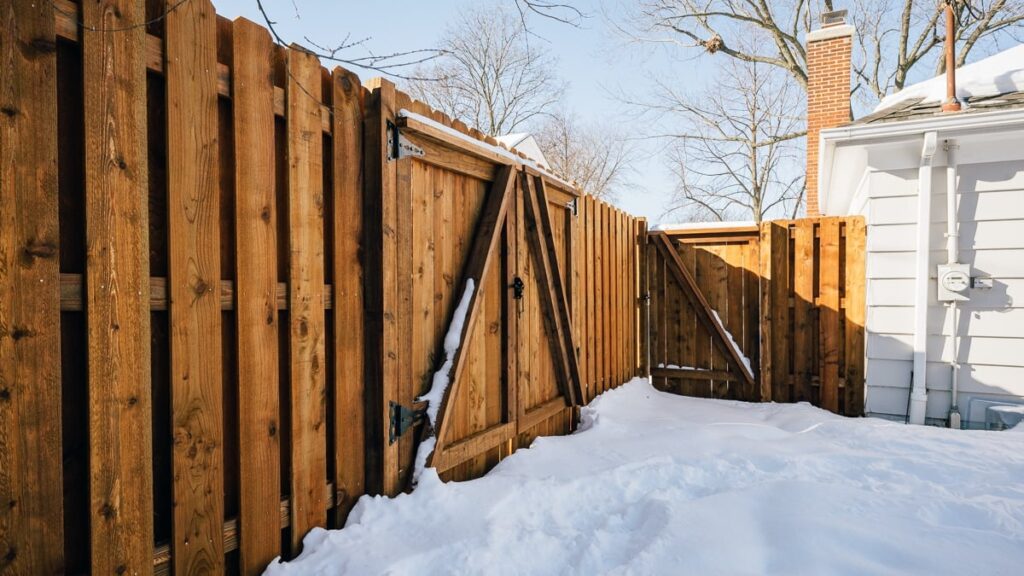
A homeowner in a suburban neighborhood had a 150-foot cedar fence with mild discoloration. The local contractor charged a moderate rate, factoring in basic cleaning and one coat of semi-transparent stain. The total estimate was mid-range due to the fence’s good condition and accessible location.
Within days, the fence regained its natural beauty and received strong UV protection, ensuring the homeowner wouldn’t need a re-stain for several years.
Example 2: Rural Farm Fence in Harsh Weather Conditions
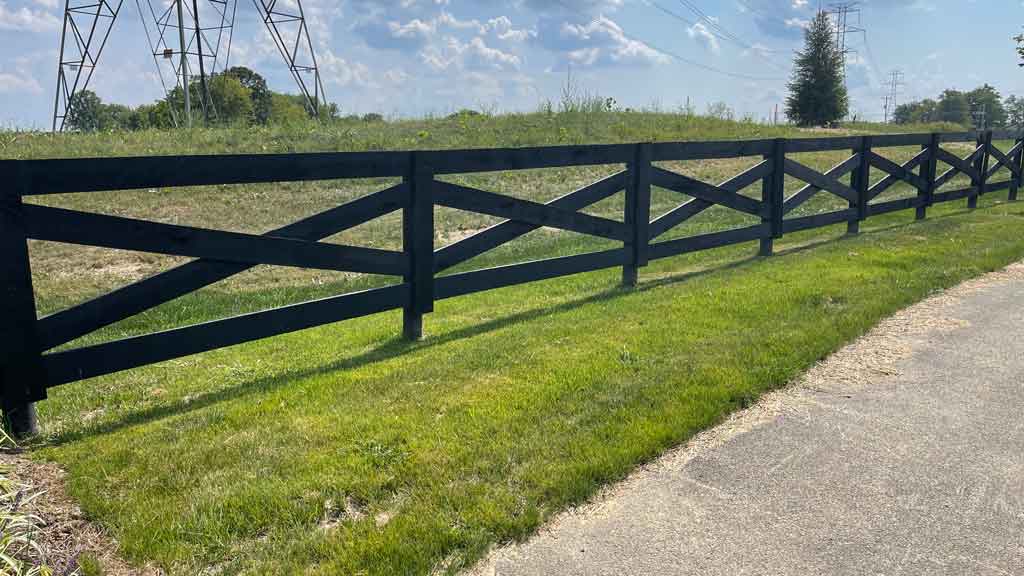
On a rural property, a 300-foot pine fence faced constant rain and wind. The contractor recommended a deep-penetrating oil-based stain, plus additional coats for better moisture resistance. Preparation included power washing and repairing several damaged boards.
The estimate was higher than average due to the fence’s size, material, and extra labor, but the investment paid off;ff maintenance needs were significantly reduced.
Example 3: Coastal Beachfront Fence with Salt Exposure
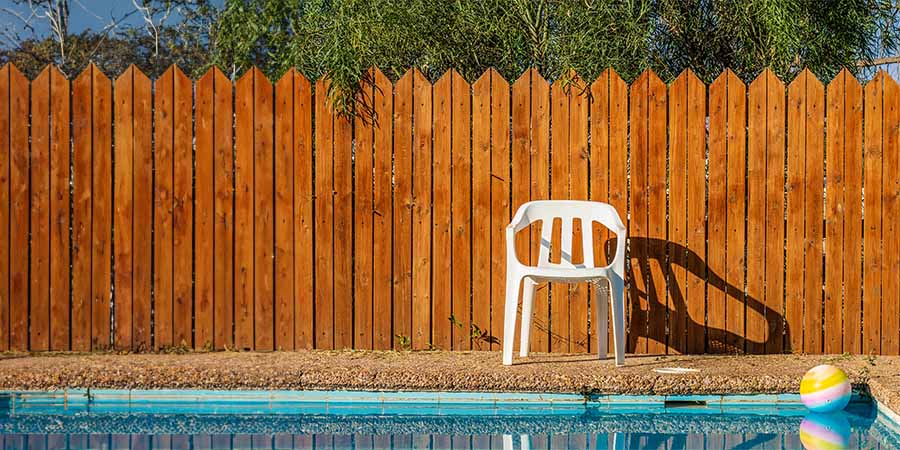
A beachfront home had a 200-foot redwood fence exposed to salty air and humidity. The staining job required a marine-grade product to combat corrosion and moisture damage. Extra preparation was needed to remove salt buildup before staining.
Although the estimate was above average, the stain’s durability meant the fence remained vibrant and well-protected for many years despite the harsh environment.
Practical Benefits of Understanding Staining Costs
Better Budget Planning
Knowing the estimate helps homeowners plan financially and avoid unexpected expenses. It also allows for comparison between different contractors to ensure fair pricing.
Long-Term Savings
Paying slightly more for quality stain and proper preparation can reduce future maintenance costs and extend the fence’s lifespan, making it a cost-effective choice in the long run.
Common Use Cases for Fence Staining Estimates
-
Home Renovation Projects: Budgeting for exterior upgrades, including fences.
-
Property Maintenance Plans: Scheduling staining as part of yearly or bi-yearly upkeep.
-
Pre-Sale Home Improvements: Enhancing curb appeal to increase property value.
These scenarios show why understanding estimated date cost upfront is so valuable it ensures the work is completed efficiently, within budget, and to a high standard.
FAQs
1. How much does it cost on average to stain a fence?
On average, professional fence staining costs range between $1.50 and $4.00 per linear foot, depending on size, wood type, and preparation needed.
2. Does fence height affect the cost?
Yes. Taller fences require more stain and labor, which increases overall costs.
3. Is it worth hiring a professional instead of DIY?
For most homeowners, yes. Professionals ensure proper preparation, application, and product choice for longer-lasting results.