Keeping your wooden fence in top condition requires the right staining techniques and proper care. Using the correct products and methods not only enhances your fence’s aesthetic appeal but also protects it from moisture, UV rays, and wear.
This guide covers everything about Amigo fence and stain, including preparation, advanced techniques, real-world project examples, technology benefits, practical applications, and expert advice to keep your fence durable and looking fresh.
Why Staining Your Fence Matters
Staining a fence is more than just improving its color; it preserves the wood and extends its lifespan. Key benefits include:
-
Protection against water damage and warping
-
Prevention of UV damage and fading
-
Resistance to insect infestations
-
Improved curb appeal with a polished, fresh appearance
Regular staining ensures your fence stays structurally sound and visually appealing for years.
Planning and Preparing for Fence Staining
Proper preparation is critical for a successful staining project:
-
Assess Fence Condition: Fix rotting or damaged sections before staining.
-
Choose the Right Wood Type Stain: Cedar, pine, and redwood absorb stains differently.
-
Select Stain Type: Semi-transparent, solid, or clear finishes impact protection and look.
-
Check Weather Conditions: Apply stain on dry days with mild temperatures to ensure proper absorption.
Careful planning prevents uneven staining and ensures long-lasting results.
Modern Techniques and Technology for Amigo Fence Staining
Using advanced tools and technology improves the efficiency and durability of fence staining:
-
Airless Sprayers: Ensure even coverage for large fences quickly.
-
Moisture Meters: Confirm wood dryness for optimal stain absorption.
-
UV-Resistant Stains: Protect fences from sun damage and fading.
-
Sealants: Add an extra layer of protection against scratches, moisture, and everyday wear.
Incorporating these technologies ensures a smooth, durable finish that maintains a like-new appearance.
Real-World Examples of Amigo Fence and Stain
Example 1: Cedar Backyard Fence
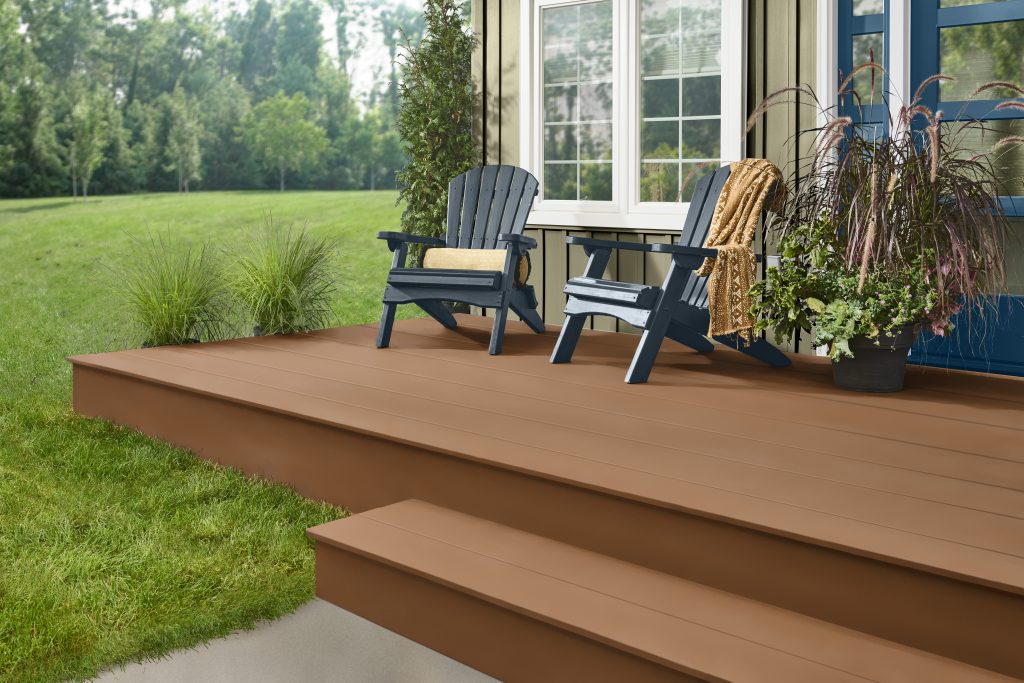
A cedar fence was stained with a semi-transparent finish, preserving the natural grain while providing water and UV protection. The result was a durable and attractive backyard fence.
Example 2: Pine Fence Restoration
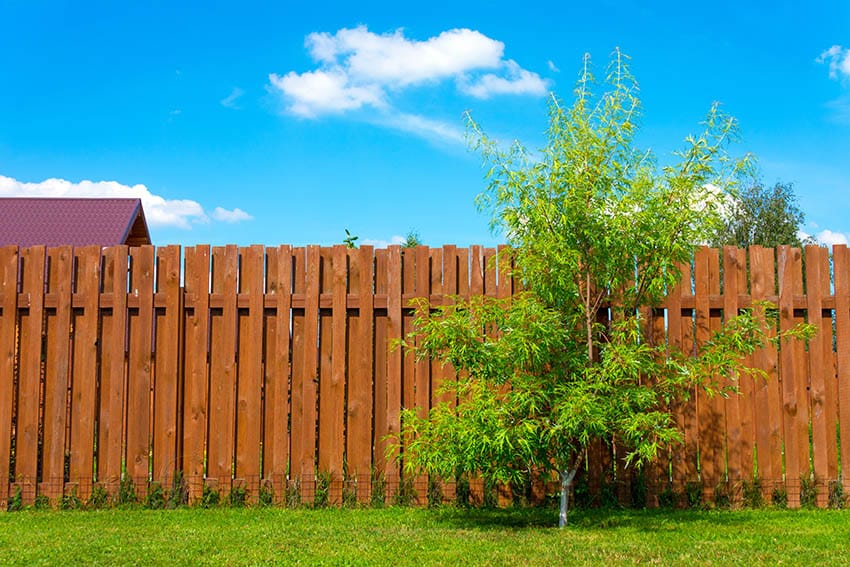
A worn pine fence underwent sanding and staining with a solid-color, protective stain. This method prevented moisture absorption and maintained a refreshed appearance even under daily exposure.
Example 3: Redwood Privacy Fence

A redwood privacy fence received a semi-transparent stain to highlight natural tones while improving weather resistance. The approach balanced aesthetics with functionality.
Example 4: Mixed Wood Fence Project
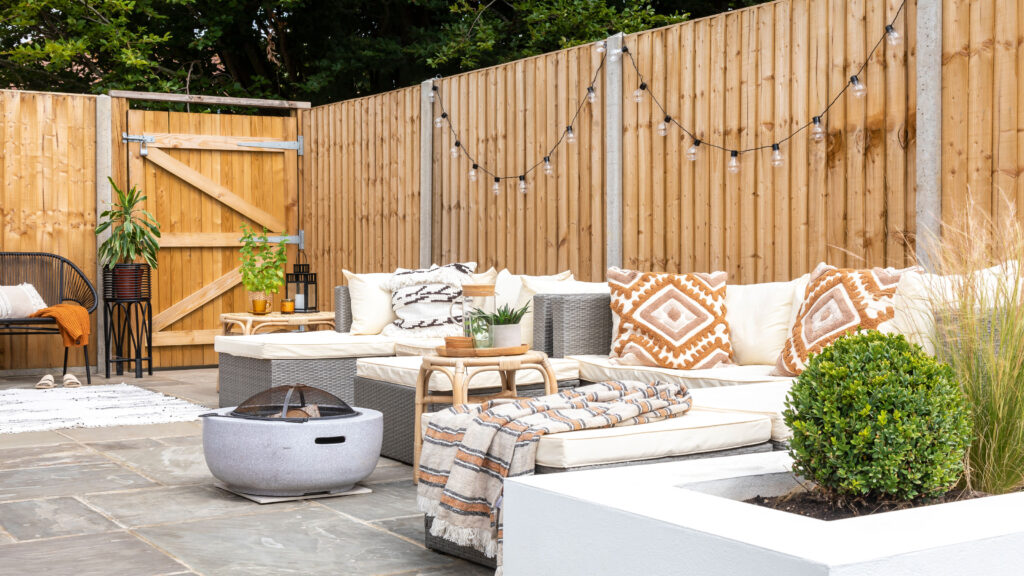
For a property with various wood types, customized stains were applied to maintain uniformity and protect each wood type. The result was a cohesive, long-lasting fence.
Example 5: Pet-Friendly Fence Area
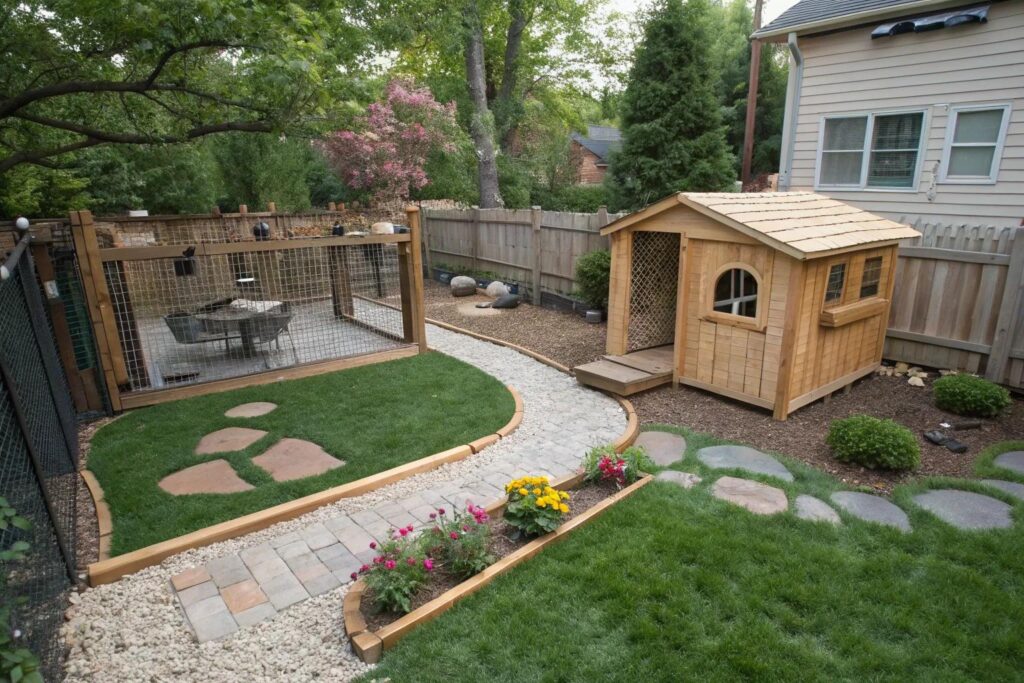
A dog run needed a stain that could withstand scratching and moisture. A solid, durable finish was applied, ensuring a pet-safe and attractive fence.
Benefits of Using Amigo Fence Stains
-
Durability: Protects wood from moisture, scratches, and splitting.
-
Reduced Maintenance: Less frequent re-staining required.
-
Enhanced Appearance: Highlights natural wood grain or provides uniform color.
-
Pet Safety: Smooth, sealed surfaces reduce splinters and rough edges.
-
Weather Resistance: Guards against UV rays, rain, and humidity.
Practical Use Cases
-
Maintain Visual Appeal: Keeps fences looking freshly stained or painted.
-
Weather Protection: Prevents warping, rotting, and sun damage.
-
Scratch & Wear Resistance: Suitable for high-traffic or pet areas.
-
Boost Property Value: Enhances curb appeal and overall property aesthetics.
-
Ease of Cleaning: Stained surfaces are easier to clean and maintain.
Frequently Asked Questions
Q1: How often should I stain my fence with Amigo products?
A1: Typically, every 2–3 years. Fences in high-traffic or harsh climates may require more frequent application.
Q2: Can Amigo stains prevent scratches from pets?
A2: While stains improve surface durability, they don’t fully prevent scratches but protect against moisture and splintering.
Q3: Should I hire a professional for Amigo fence staining?
A3: Professionals ensure proper preparation, application, and long-lasting results. DIY is possible for small areas but may require more maintenance.