A fresh coat of paint can completely transform the look and feel of your home, boosting curb appeal, protecting surfaces, and increasing property value. Whether you want to revamp your home’s interior, give the exterior a facelift, or both, knowing the ins and outs of house painting is essential.
Painting isn’t just about slapping color on the wall; it’s about preparation, material selection, application techniques, and maintenance. In this article, we’ll break down everything you need to know before you say, “I’m ready to get my house painted,” including professional insights, technology benefits, and real-world examples.
Understanding the Importance of Painting Your House
Painting your house is one of the most cost-effective home improvements you can make. Not only does it freshen up your space, but it also serves as a protective barrier against moisture, sunlight, pests, and wear-and-tear.
Fresh paint improves:
-
Aesthetics: Your home looks newer and more inviting.
-
Protection: Shields walls from moisture, mold, and UV rays.
-
Value: Increases resale appeal to potential buyers.
Choosing the Right Type of Paint
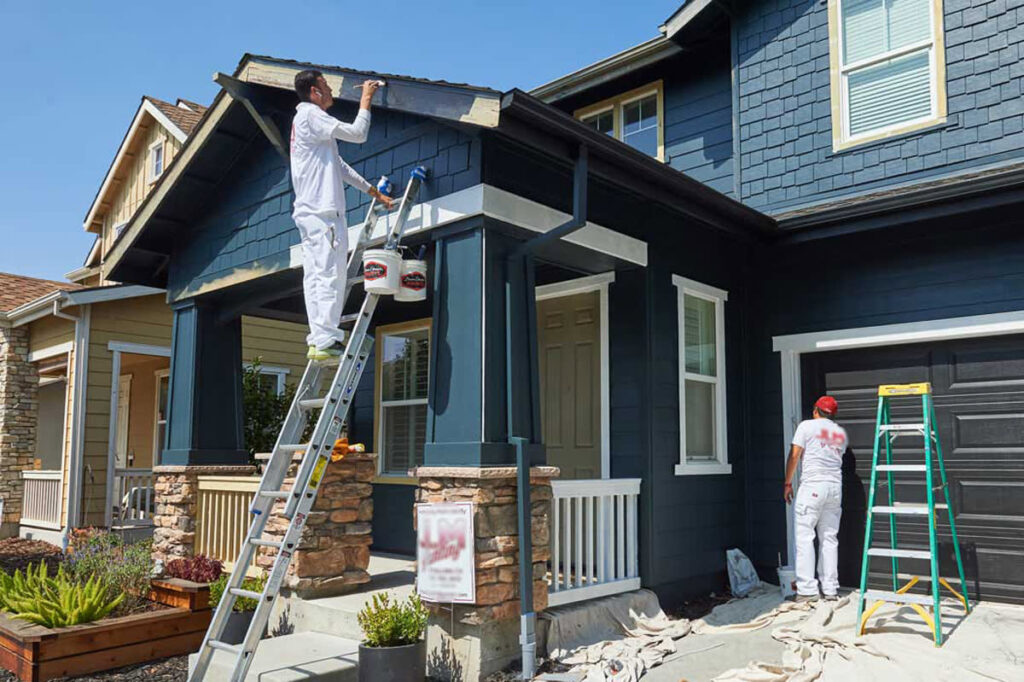
The first decision when you get your house painted is choosing the right type of paint. The selection will depend on whether you’re painting interior or exterior surfaces, and the environmental conditions your home faces.
Interior paint tends to have lower VOC (volatile organic compounds) and a smoother finish, while exterior paint is formulated for weather resistance, UV protection, and durability. Common finishes include:
-
Matte/Flat: Best for hiding wall imperfections.
-
Satin/Eggshell: Easy to clean, good for living rooms and bedrooms.
-
Semi-gloss/Gloss: Highly durable, great for kitchens and trim work.
The Role of Preparation in House Painting
Before a brush even touches your wall, proper preparation ensures a long-lasting, professional finish. This includes:
-
Cleaning and power washing surfaces
-
Repairing cracks and holes
-
Sanding for smoothness
-
Applying primer to improve paint adhesion
Skipping prep can result in uneven coverage, peeling, or premature fading.
Benefits of Using Modern Painting Technology
Modern painting isn’t just about manual labor; technology plays a big role in efficiency and quality.
Airless sprayers, for example, can cover large areas quickly with even coats, while moisture meters help ensure surfaces are dry enough to paint, preventing future peeling. Color-matching tools allow you to find the exact shade you want by scanning fabric, walls, or even photos.
These advancements mean fewer mistakes, faster project times, and better results for homeowners.
Real-World Examples of Professional Painting
Here are some notable scenarios where professional painting transformed homes:
Example 1: Exterior Transformation with Weatherproof Paint
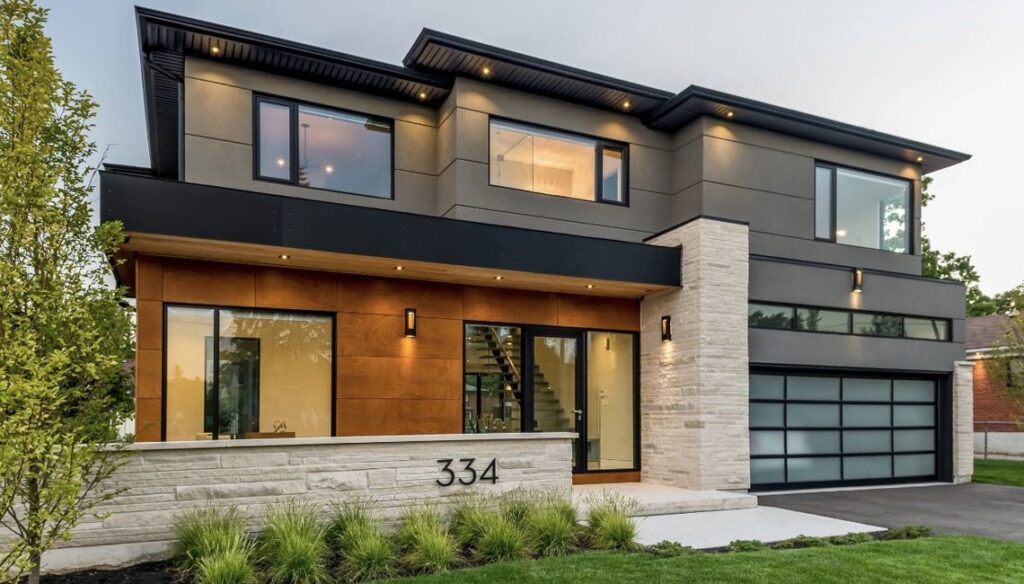
A coastal home in Florida underwent a full exterior repaint using marine-grade weatherproof paint. This protected the home from salt air corrosion and intense UV rays. The transformation not only improved the curb appeal but also reduced long-term maintenance costs.
Example 2: Interior Modernization with Low-VOC Paint
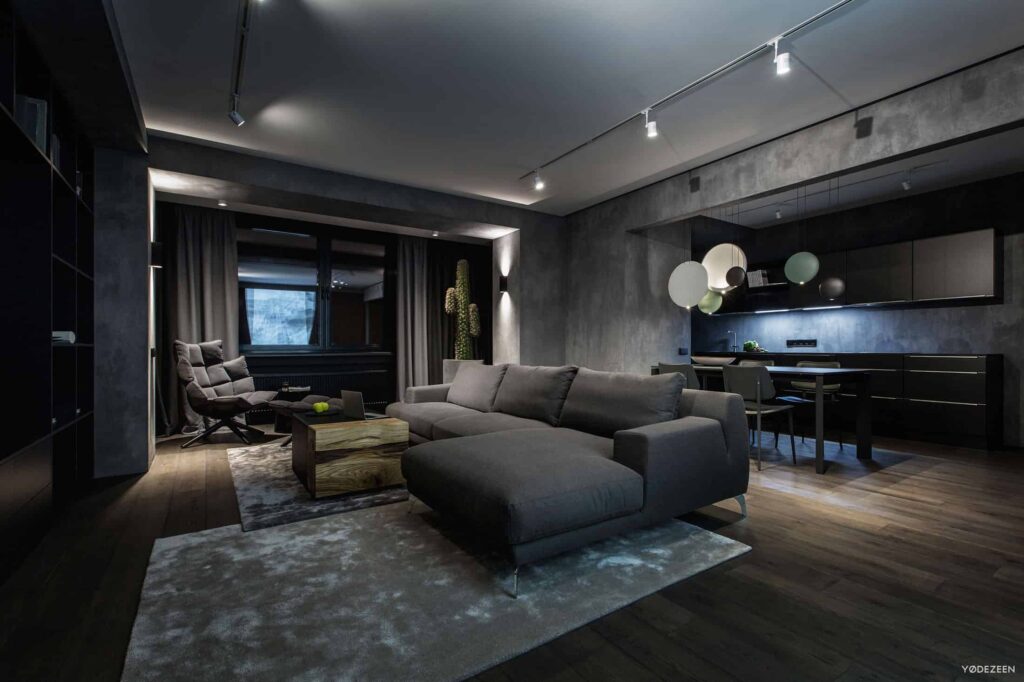
A family in California repainted their entire interior with eco-friendly, low-VOC paint. This was important because they had young children and wanted to minimize exposure to harmful fumes. The result was a bright, fresh home that was safe and healthy.
Example 3: Historical Home Restoration
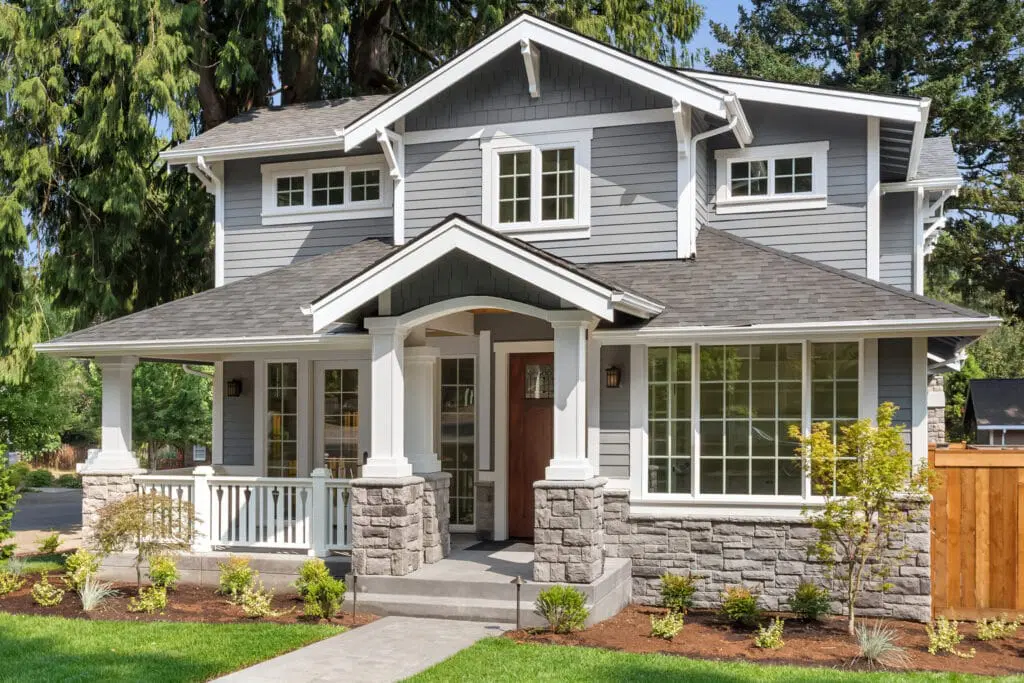
A 100-year-old Victorian house in New York was repainted in historically accurate colors, using high-quality oil-based paint for exterior trim. This preserved the home’s charm while meeting preservation society standards.
Practical Advantages of Professional Painting
-
Time Efficiency – Professionals work faster, with less disruption to your daily life.
-
Quality Finish – Skilled painters deliver smooth, streak-free results.
-
Durability – Professional application extends the life of your paint job.
-
Expert Color Advice – Painters often help choose shades that enhance lighting and mood.
Common Problems Solved by Getting Your House Painted
-
Peeling or flaking walls from moisture damage
-
Faded siding due to prolonged sun exposure
-
Stains or discoloration from water leaks or smoke
-
Outdated color schemes that no longer match your style
-
Increased curb appeal for home sales or rentals
Step-by-Step Professional Painting Process
While every project differs, the professional approach generally includes:
-
Consultation and color selection
-
Surface preparation
-
Priming
-
First and second coats
-
Final inspection and touch-ups
This ensures a consistent, long-lasting result.
Long-Term Maintenance Tips After Painting
To maximize the life of your paint job:
-
Wash exterior walls annually
-
Touch up high-traffic interior areas as needed
-
Keep gutters clean to avoid water stains
-
Avoid harsh cleaning chemicals that can damage paint
FAQs
Q1: How often should I repaint my house?
A: Exterior surfaces usually need repainting every 5–10 years, depending on climate and material. Interiors can last longer, typically 7–10 years, unless damaged.
Q2: What’s the best season to get my house painted?
A: Spring and early fall are ideal due to moderate temperatures and low humidity, which allow paint to cure properly.
Q3: Is it worth hiring a professional instead of DIY?
A: Yes, professionals bring expertise, equipment, and efficiency, ensuring higher quality and longer-lasting results compared to most DIY efforts.