Power house power washing is a specialized, high-pressure cleaning technique that uses powerful machines to remove dirt, grime, mold, and other contaminants from large or heavily soiled exterior surfaces. This method is essential for properties that require more cleaning power than standard pressure washers can provide.
Power house power washing combines raw pressure and, often, heated water to break down and wash away tough residues efficiently. It’s widely used in commercial, industrial, and residential settings to restore the appearance and protect the structural integrity of buildings, concrete, machinery, and other surfaces.
This article dives deep into the technology behind powerhouse power washing, its benefits, practical examples, and real-life use cases that illustrate why it’s a valuable solution for heavy-duty cleaning challenges.
What is Power House Power Washing?
Power house power washing refers to the use of high-capacity pressure washing equipment designed for heavy-duty cleaning tasks. These machines deliver significantly higher water pressure, commonly ranging from 3,000 to over 4,000 PSI, compared to typical consumer-grade washers.
Unlike standard pressure washers, power house units are built with commercial-grade engines, robust pumps, and often incorporate hot water or steam capabilities. This combination allows them to tackle grime and stains that are difficult or impossible to remove with regular equipment.
Power house power washing is typically employed for large-scale cleaning jobs such as factory floors, parking lots, commercial building exteriors, and large residential properties with tough buildup.
How Does Power House Power Washing Work?
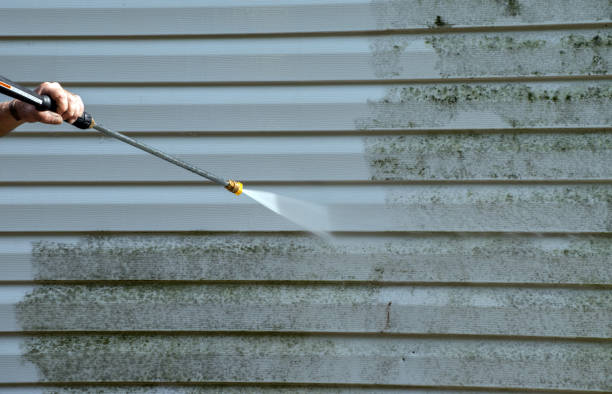
At the core of power washing is a high-powered motor, usually gas-powered, connected to a pump that pressurizes water. The system forces water through a narrow nozzle at very high pressure, creating a concentrated jet stream that can blast away dirt, algae, grease, and other deposits.
Many power house washers also heat the water, sometimes using fuel-fired boilers, to enhance the cleaning effect. Hot water or steam breaks down oils, greases, and organic residues more effectively than cold water alone, making it easier to remove stubborn stains and disinfect surfaces.
Operators can adjust pressure and nozzle type to tailor the cleaning intensity for different materials, ensuring thorough cleaning without damage.
Real-World Example Products and Use Cases
Karcher HD 7/18-4 Cage
The Karcher HD 7/18-4 Cage is a commercial-grade hot water pressure washer delivering up to 2,400 PSI. Its powerful Honda engine and integrated heating system make it ideal for cleaning commercial building exteriors, driveways, and industrial equipment.
Relevance: This machine is perfect for professionals who need to remove grease, dirt, and grime quickly and efficiently from tough surfaces. Its hot water feature enhances stain removal and disinfecting capabilities.
Mi-T-M GP Series Gas Pressure Washer
The Mi-T-M GP Series offers gas-powered washers with pressures up to 4,000 PSI, designed for heavy-duty cleaning in industrial or large residential settings. Its robust frame and wheels ensure easy transport on job sites.
Relevance: Suitable for contractors and homeowners who require top-tier cleaning power for large or heavily stained surfaces, including concrete, siding, and machinery.
Simpson Cleaning ALH3425
The Simpson Cleaning ALH3425 is a portable gas pressure washer with 3,400 PSI cold water output. It is versatile for tasks ranging from home exteriors to commercial cleaning.
Relevance: Ideal for users who want powerful cleaning without heated water, offering strong performance on dirt and grime removal in diverse environments.
Benefits of Power House Power Washing Technology
Superior Cleaning Performance
With higher PSI and optional heated water, powerhouse power washing can tackle heavy grease, mold, mildew, and dirt that standard pressure washers cannot remove effectively.
Versatility and Adaptability
Power house washers can clean a variety of surfaces from concrete and brick to metal and wood, making them valuable tools across industries and for homeowners with large properties.
Time and Labor Efficiency
These machines drastically reduce cleaning times, allowing tasks that would take hours manually to be completed in a fraction of the time.
Protects Surfaces and Extends Lifespan
By removing damaging contaminants like mold and algae, power washing helps preserve the paint, wood, and structural materials of buildings, preventing decay and costly repairs.
Practical Use Cases
Industrial Equipment and Facility Maintenance
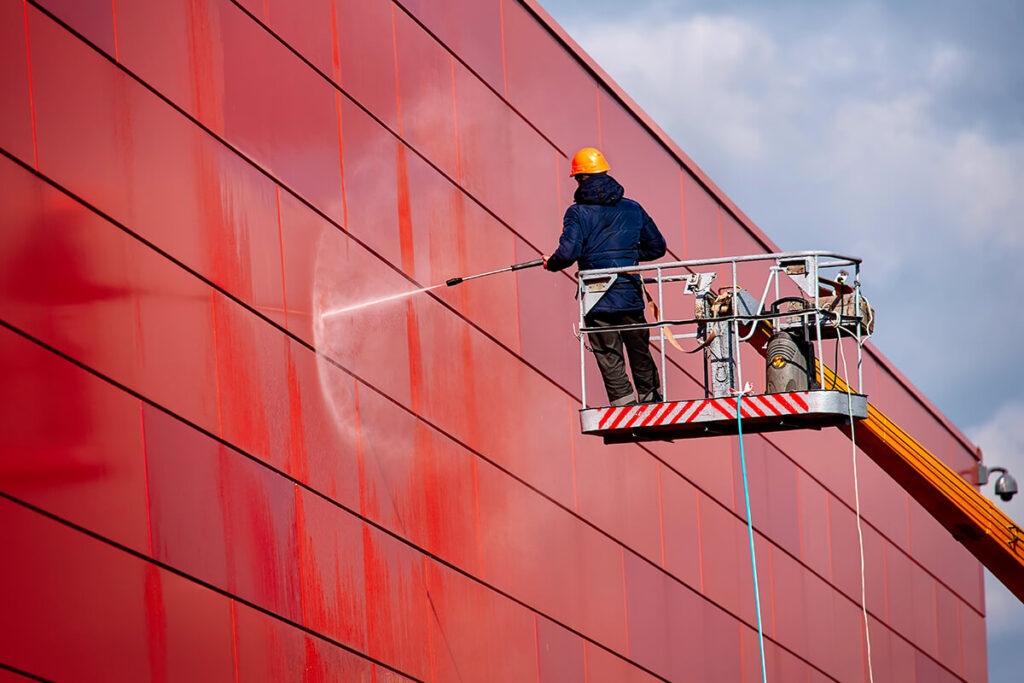
Factories often deal with grease buildup and industrial dirt that hamper machine operation. Power house power washing restores cleanliness and operational efficiency without the need for dismantling equipment.
Commercial Property Upkeep
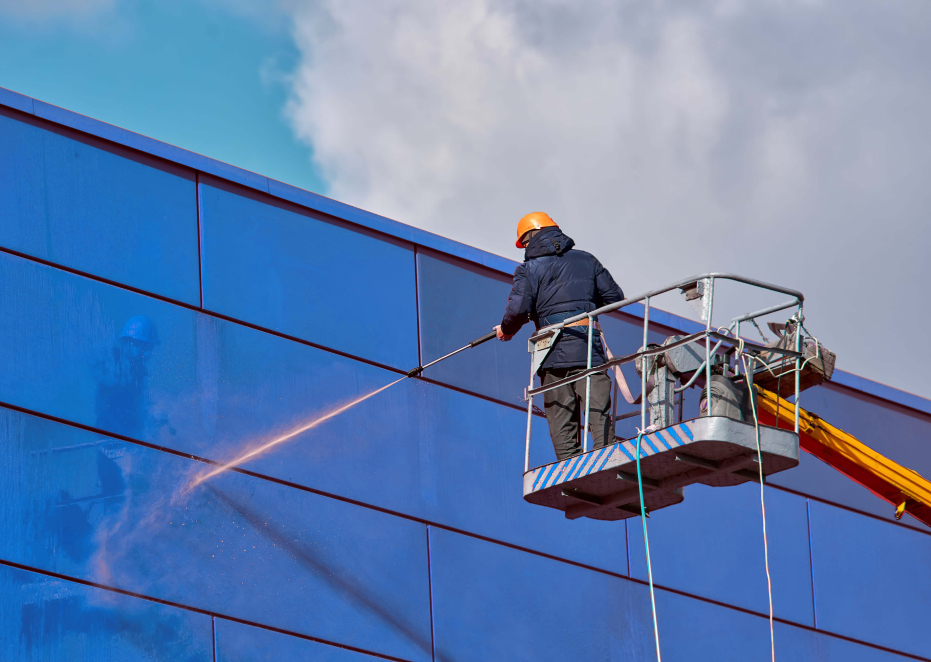
Shopping centers, office buildings, and parking garages benefit from regular power washing to maintain safety and aesthetics by removing slippery algae, oil stains, and grime.
Residential Large-Scale Cleaning
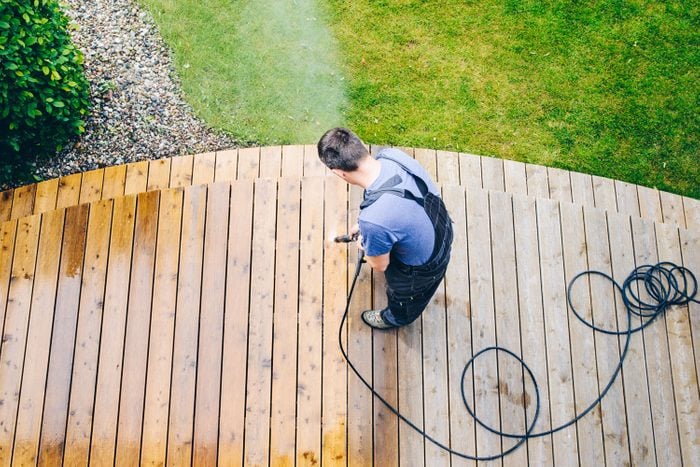
For homes with expansive patios, decks, and siding, Power House’s power washing delivers deep cleaning that protects against environmental damage and preserves curb appeal.
Problems Power House Power Washing Helps Solve
-
Removal of Stubborn Grease and Oils: Effectively dissolves and cleans heavy industrial and automotive grease.
-
Elimination of Mold, Algae, and Mildew: Prevents slippery and unsightly surfaces that pose health and safety risks.
-
Stripping Paint and Stains: Prepares surfaces for repainting or refinishing by removing peeling or chalking paint layers.
-
Cleaning of Large and Hard-to-Reach Areas: Facilitates the cleaning of vast exterior spaces quickly and effectively.
Frequently Asked Questions
1. Is it safe for delicate surfaces?
When used properly with appropriate pressure and nozzle settings, power house power washing can be safe for many surfaces.
However, because softer materials are more vulnerable, extra caution is essential to prevent any scratches or wear.
For instance, wood siding, painted finishes, and older brick require lower pressure combined with a wider spray pattern.
Therefore, taking the time to adjust the settings before starting will greatly reduce the risk of damage.
2. What advantages does hot water provide?
Hot water improves cleaning efficiency by loosening oils, grease, and organic stains.
Which means they can be removed with less effort.
In addition, hot water offers natural sanitizing effects, which are especially beneficial in commercial environments where hygiene is critical.
Moreover, the heat helps break down stubborn residues more quickly,
Therefore, it shortens cleaning time.
As a result, many professional cleaning companies prefer hot water systems for demanding jobs.
3. Can it be used for residential homes?
Yes, it can, especially for large homes or properties with significant grime buildup over time powerful cleaning capacity not only restores exterior surfaces but also helps protect them from further deterioration.
Furthermore, compared to consumer-grade washers, professional systems deliver more consistent results and longer-lasting cleanliness.
Consequently, homeowners can enjoy improved curb appeal, reduced maintenance frequency, and potentially higher property value.